Shared Focus&Calm Space
Mobility · HMI · System Thinking
Timeline
Sep. 2025 - Dec. 2025
Tool
Unreal Engine 5, After Effect, Figma
Contribution Type
Independent
Project Overview
This project envisions a 2035 Level-4 private autonomous vehicle experience that redesigns the relationship between human, vehicle, and companion dog—treating the dog as a real passenger with needs, not cargo. It prototypes a multimodal HMI that supports calm, trust, and smooth transitions from pickup to park arrival.
Problem
Today’s vehicles and trip flows are optimized for human convenience, while dogs are forced to adapt—leading to stress, safety risks, and extra cognitive load for owners during parking, boarding, and arrival routines.
Design Motivation
Based on my real commutes and road trips with my dog (SF↔LA) and daily drives to the dog park, I repeatedly saw both dogs and owners struggling to fit into human-first vehicle behaviors. I wanted to design a mobility system that balances commute efficiency with canine comfort—without sacrificing safety or emotional well-being.
The Problem in Reality
Modern mobility prioritizes human needs and comfort, while dogs always left behind.
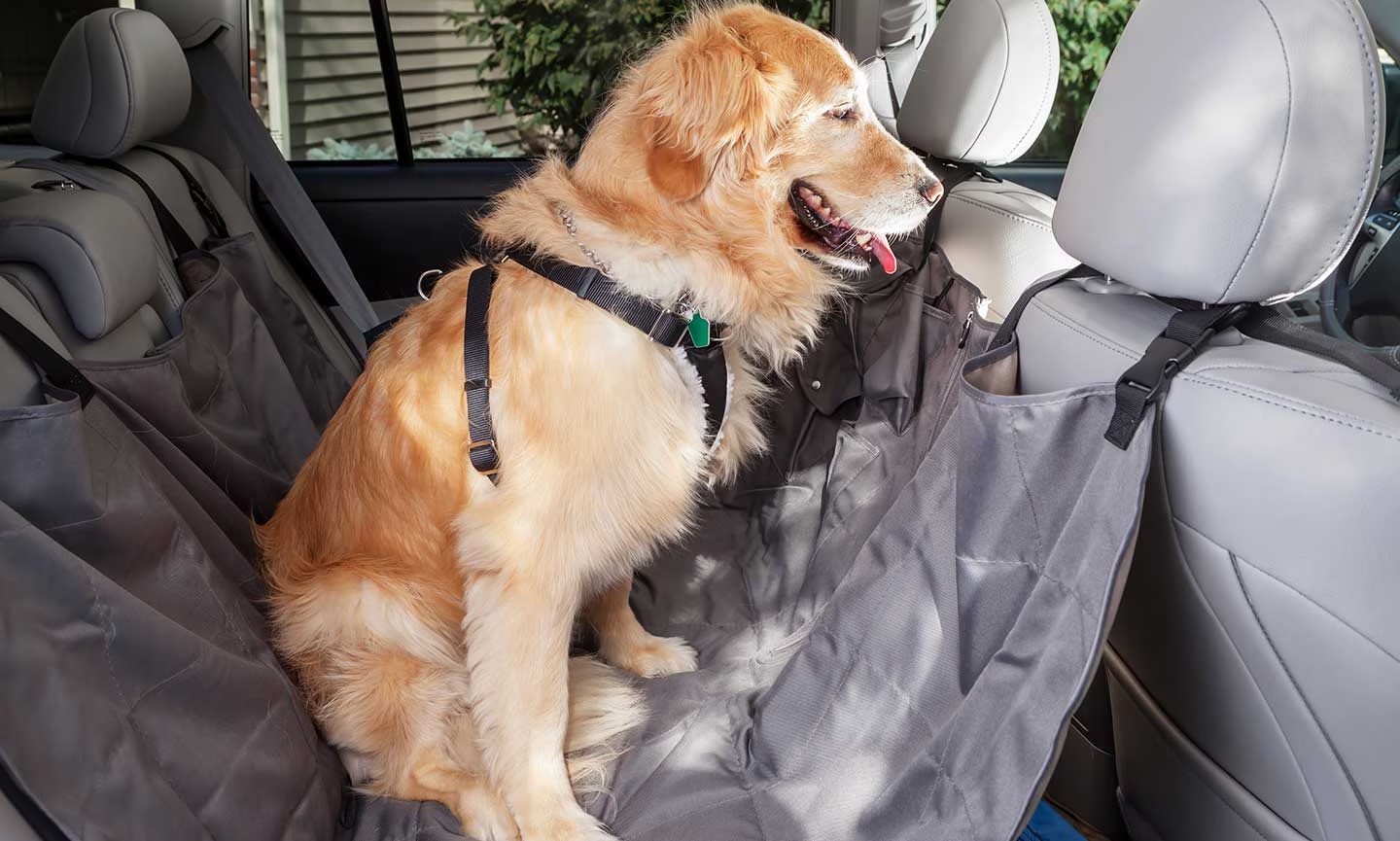
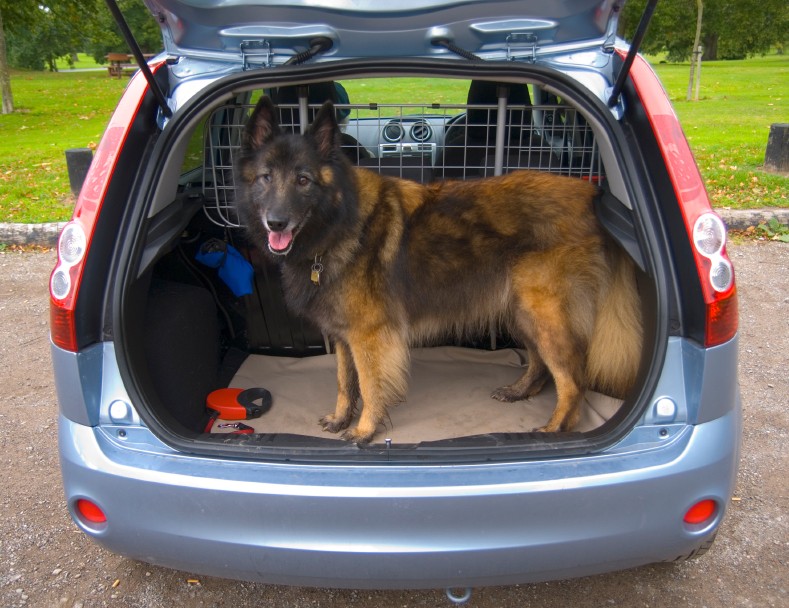
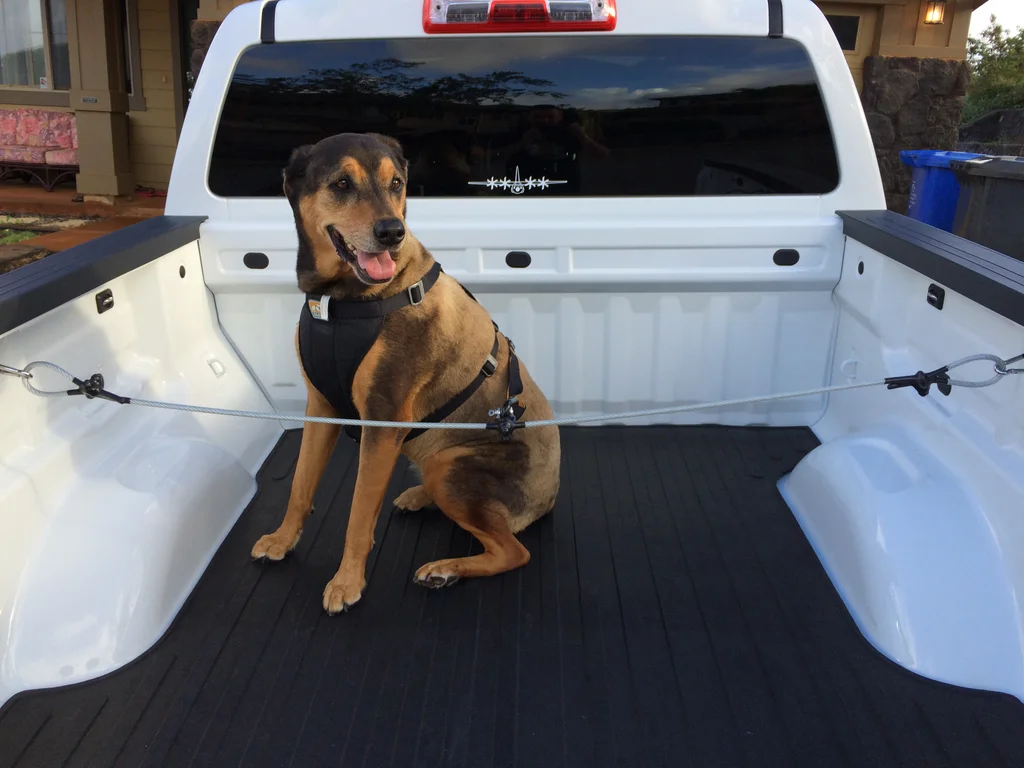
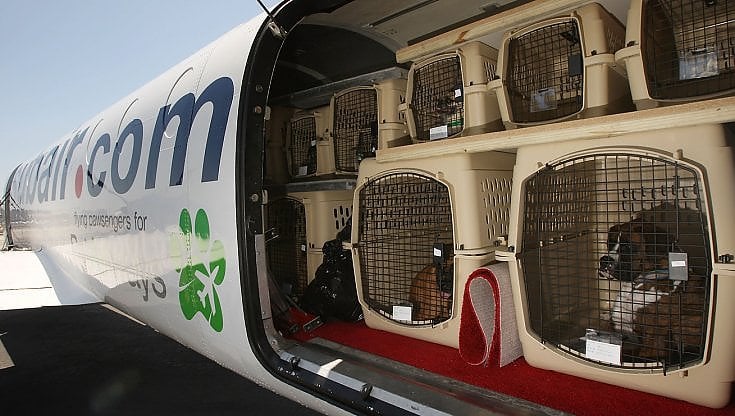
Both dog owners and their dogs are forced to adapt to the vehicle, rather than the vehicle adapting to them. Owners often have to purchase extra seats or accessories just to make the ride safe or comfortable. In the airlines market, pets must remain confined in carriers under seats, and large non-service dogs are only allowed as checked baggage.
A 2023 GlobalPETS survey found that in the U.S., 94% of respondents said they travel with their pets by car, compared with 17% using planes (GlobalPETS 2023).
Conclusion: Most pet owners in the U.S. still prefer to travel by vehicle in the future.
However…..
In the U.S., most pets are not legally allowed to enter public places like stores, hotels, or public transportation. Only service animals(emotional support animals are not include) are legally protected under the ADA.
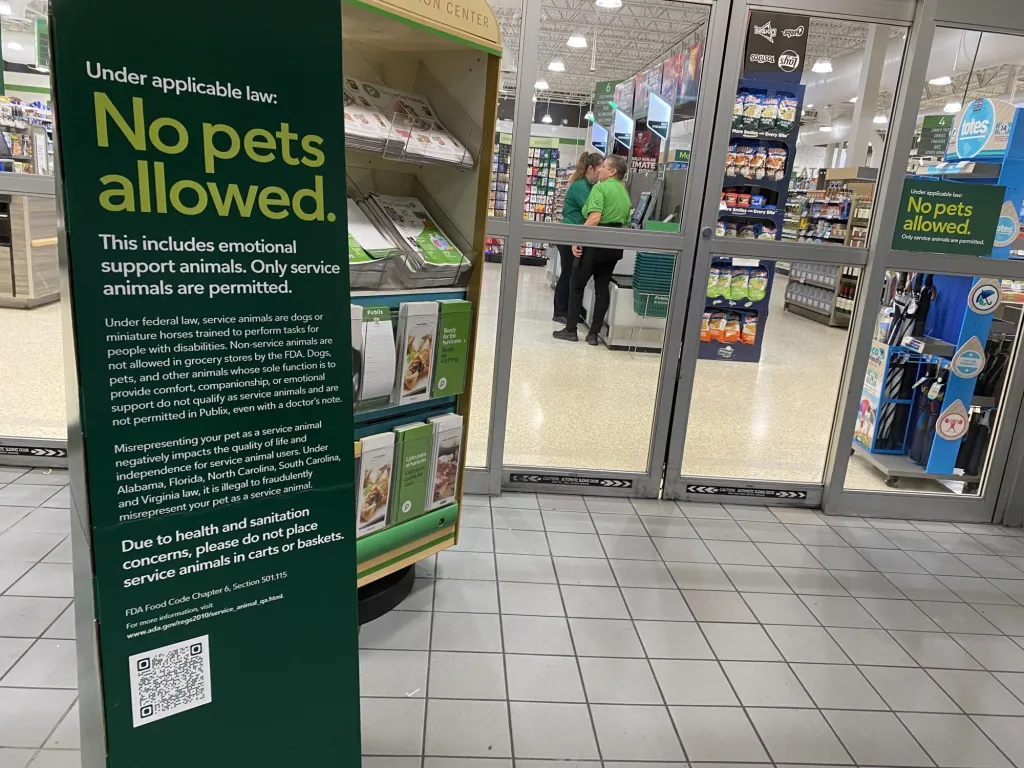
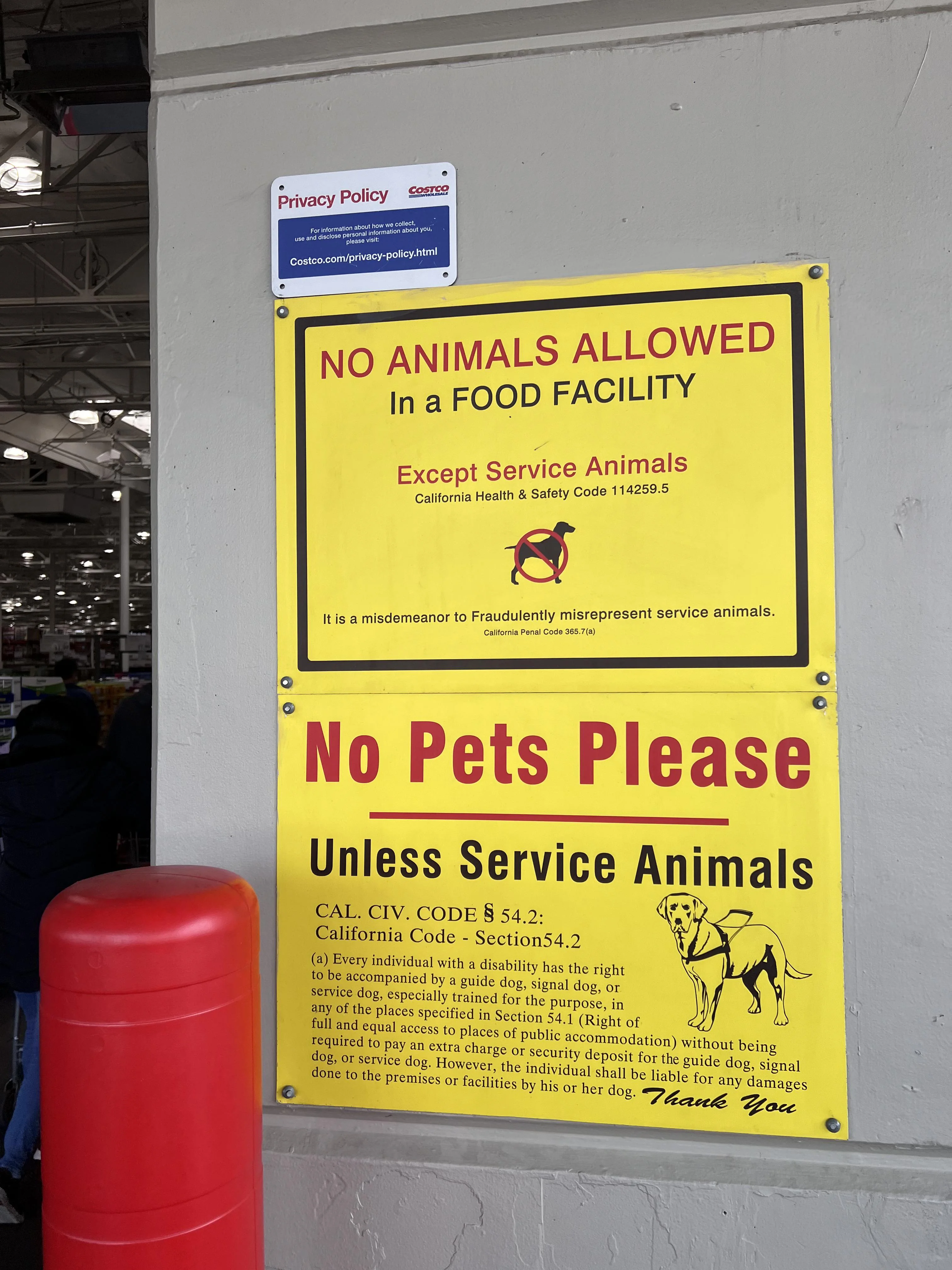
Sometimes,
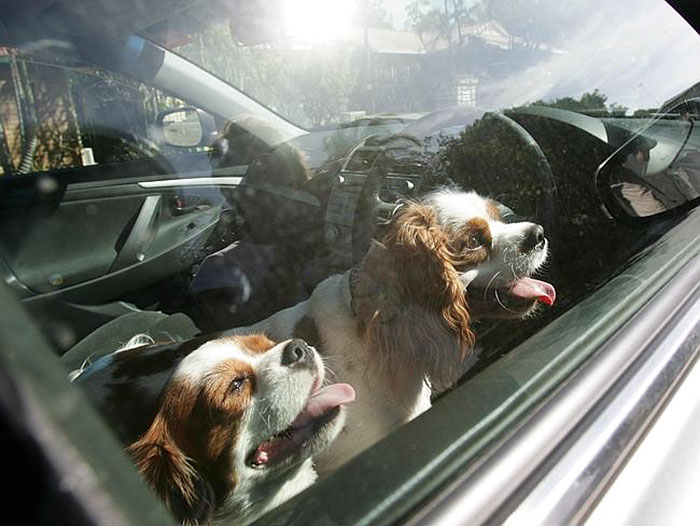
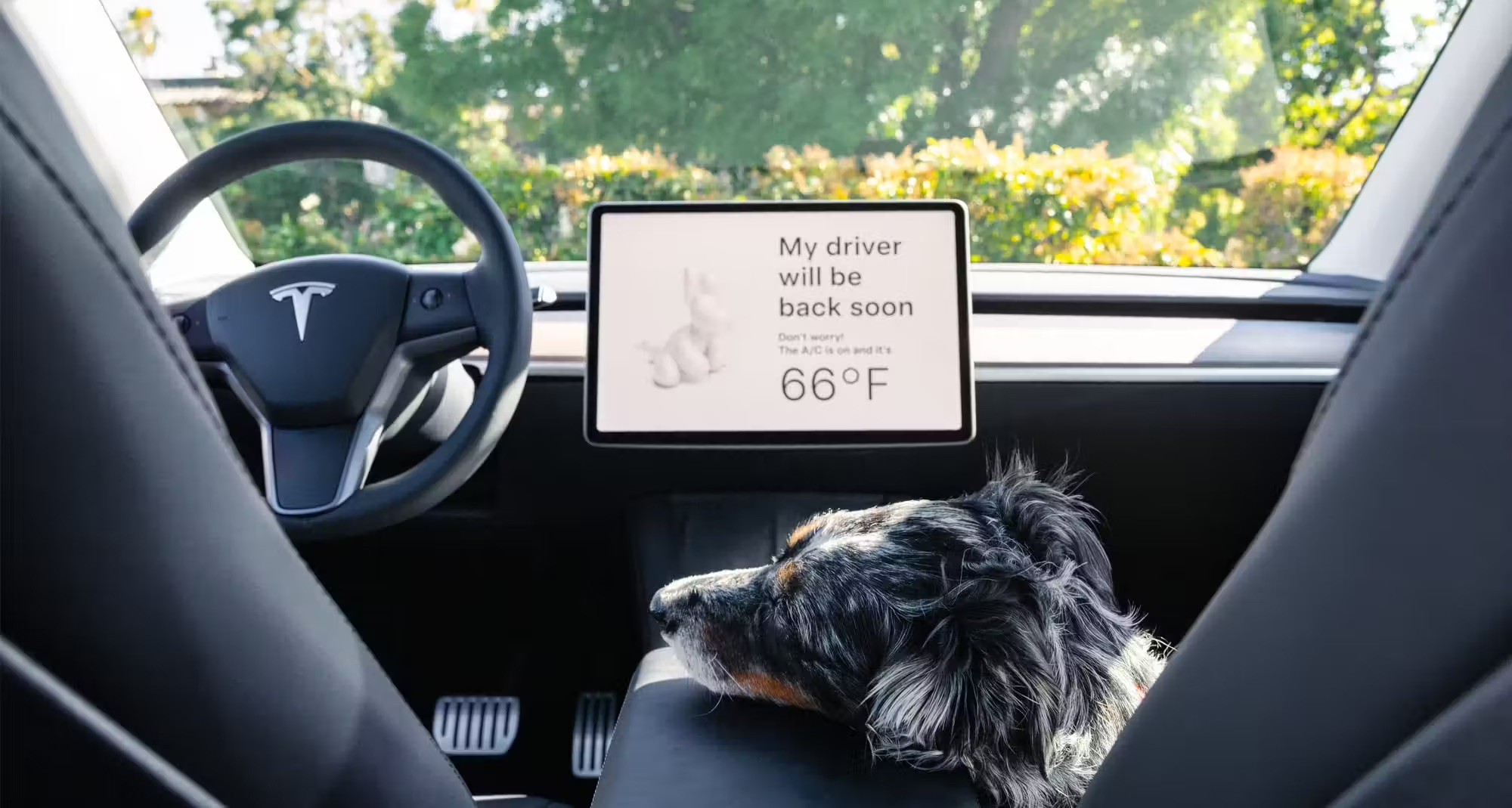
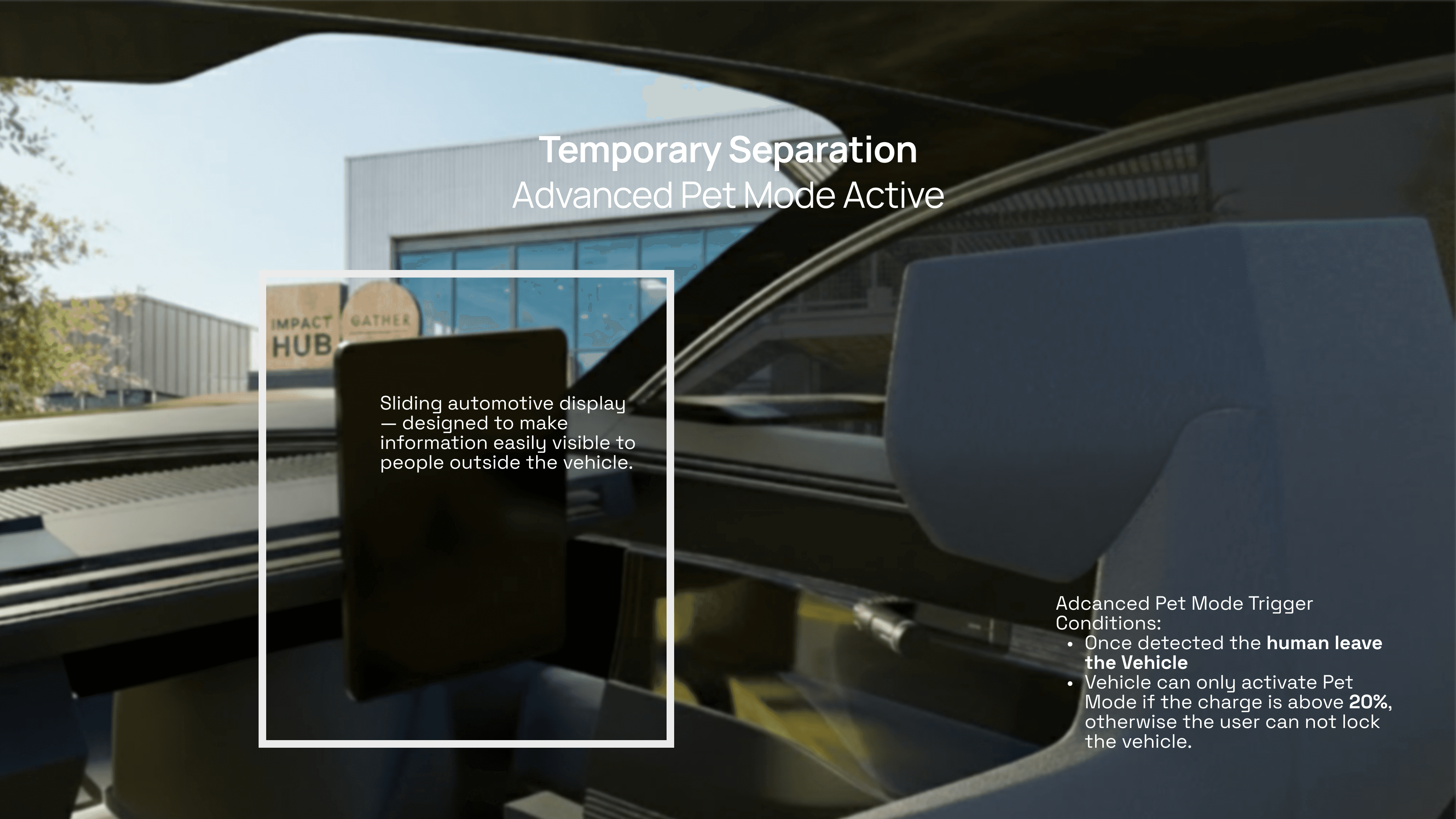
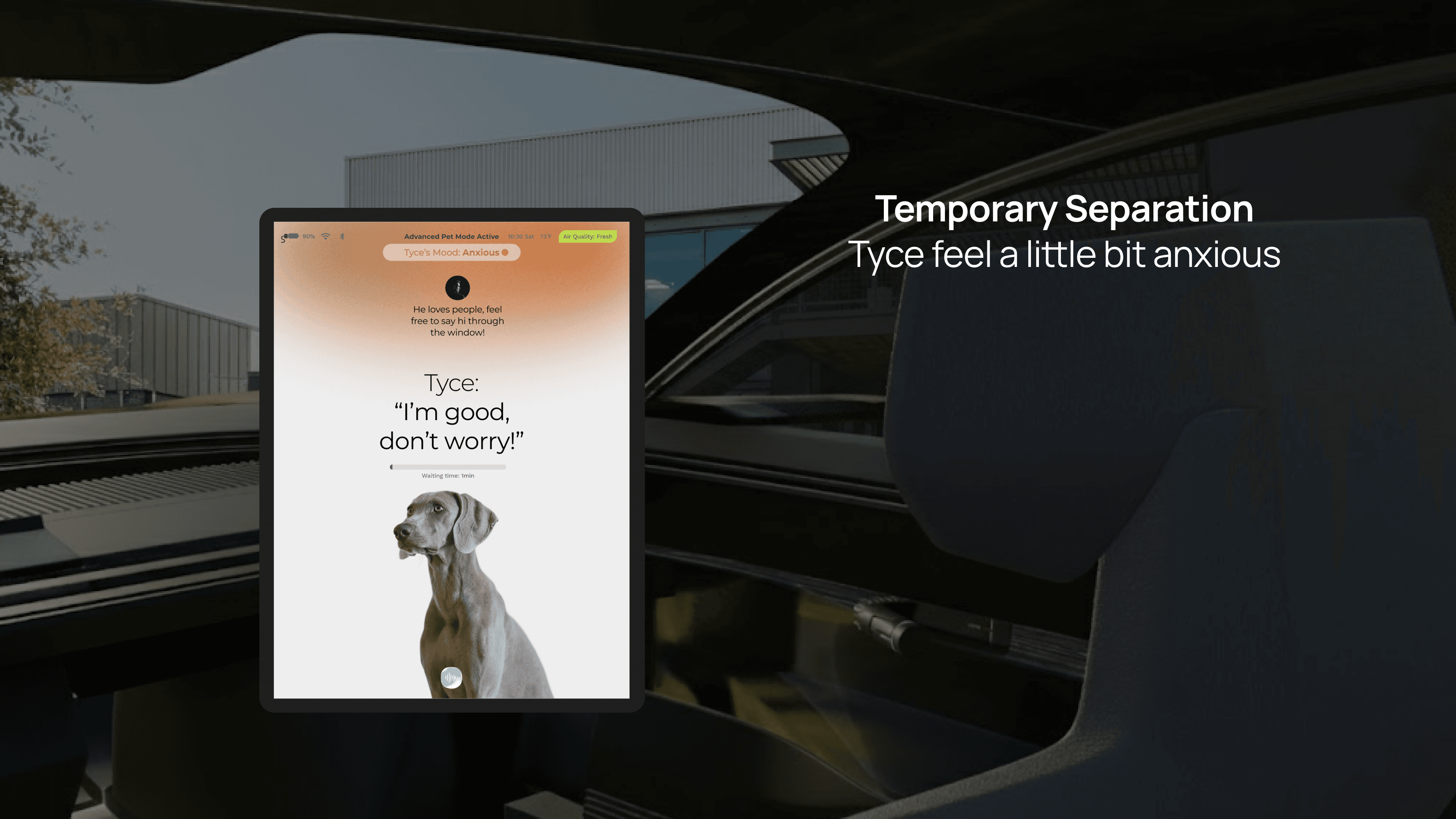
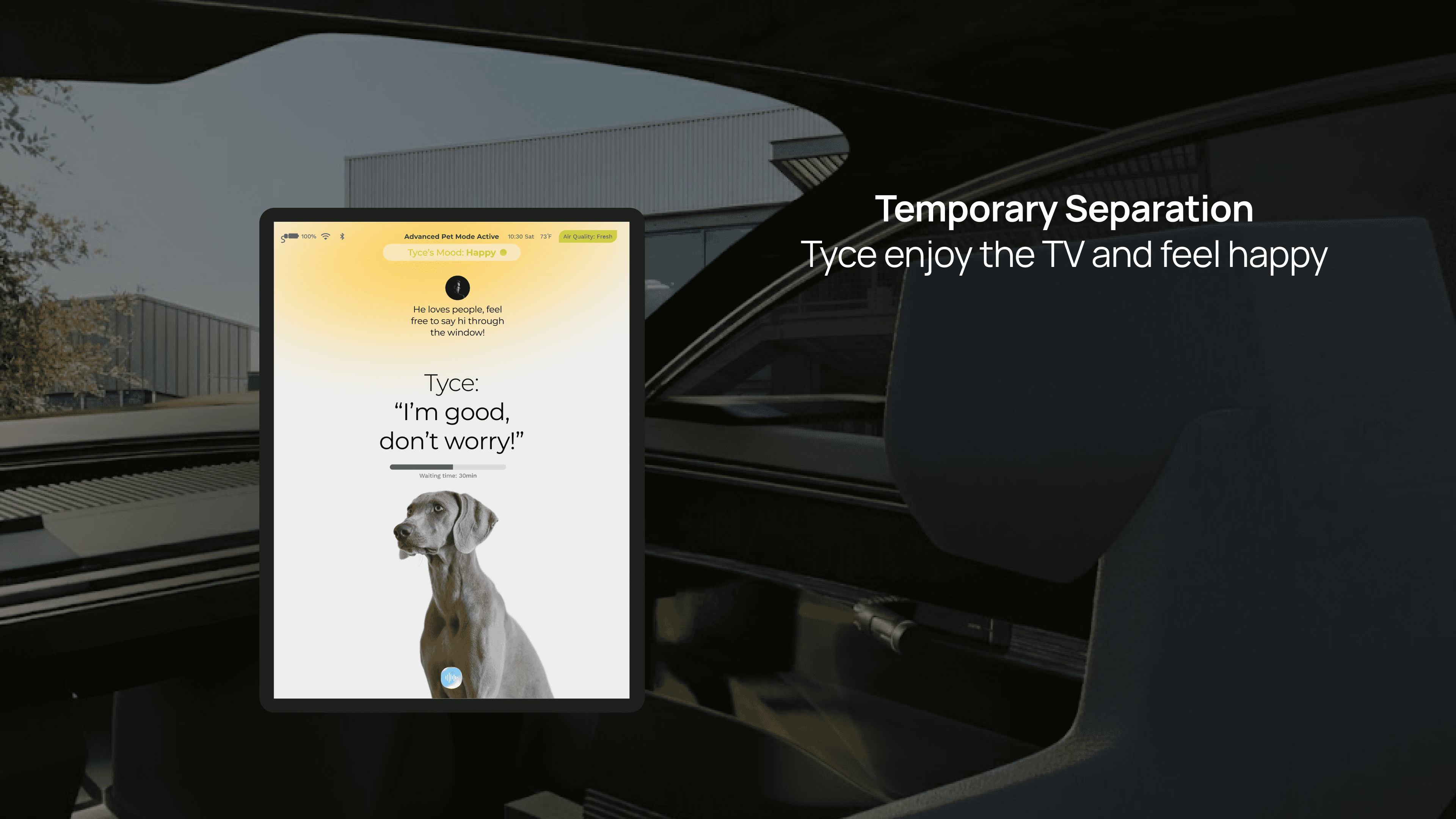
Pet owners have no choice but to leave their pets inside the vehicle temporarily. However, this situation comes with many issues — for pets, the cabin temperature can quickly rise to dangerous levels. Even though, the current solution is “Dog Mode(e.g. Tesla)”/'Pet Mode' in the vehicle. The system reacts only to temperature, not to pet’s conditions or feeling (e.g., unusual pet movement.)
Therefore,
as a designer, my design goal for this project is to ensure pets are safe and comfortable throughout the journey, while reducing pet owners’ stress—both during trips and during short separations (when the owner needs to step away temporarily). I aim to design an experience that builds trust through calm, clear feedback and proactive support for both pet wellbeing and owner peace of mind.
Reimagined the life in future
Design Solution
I want to create a vehicle&system that balances an owner’s daily commute with the realities of traveling alongside a dog.
About this Vehicle
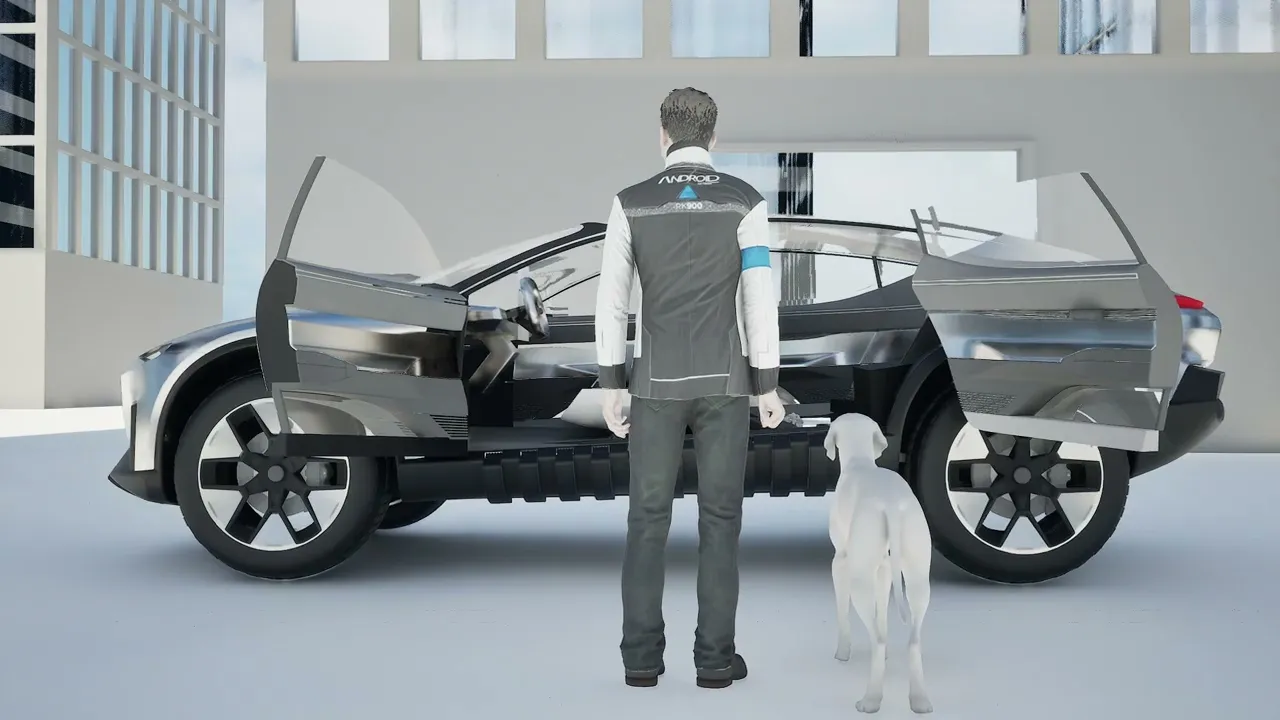
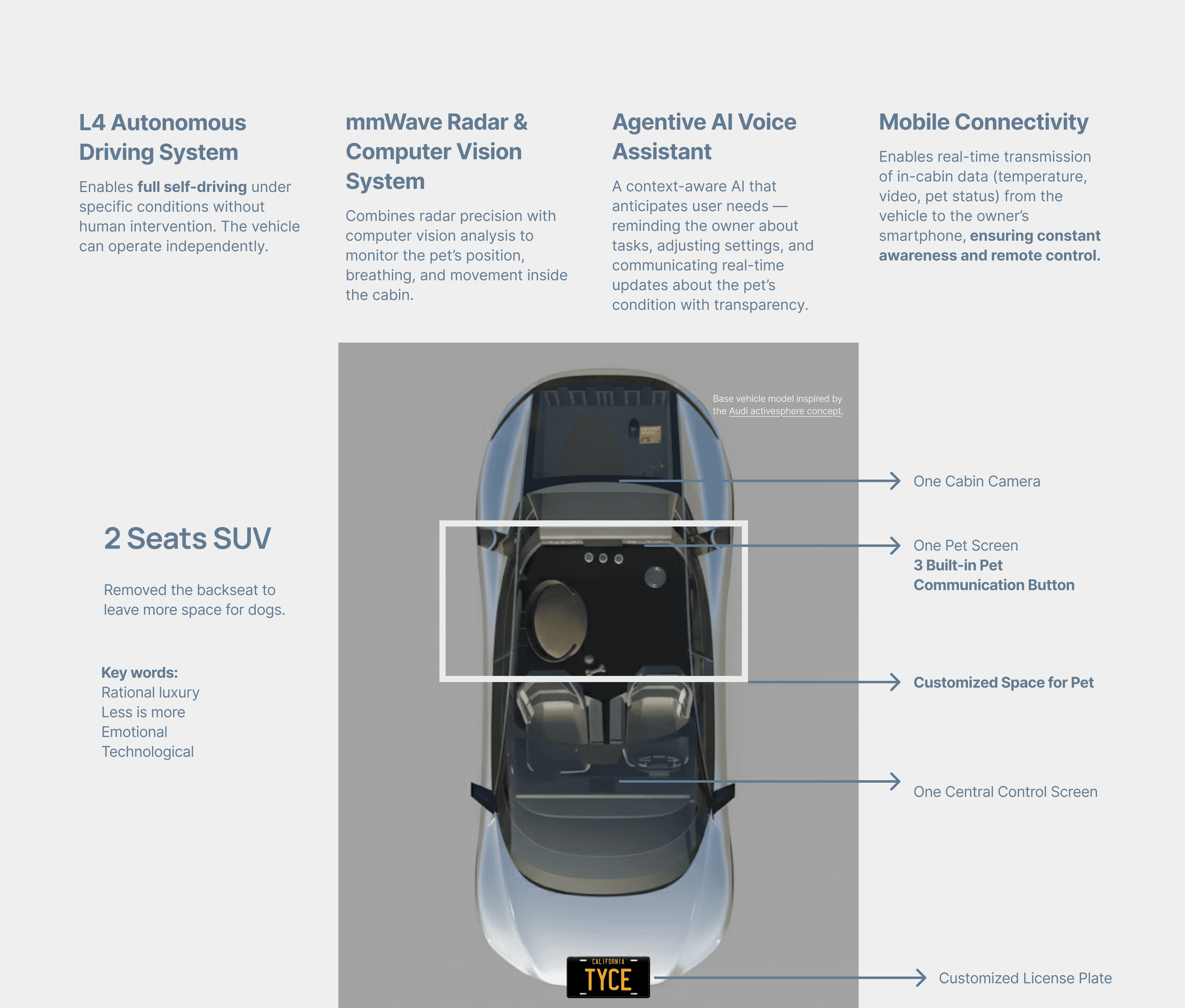
This concept vehicle is designed as a pet-first L4 autonomous cabin where treating the dog as an active passenger, not cargo.
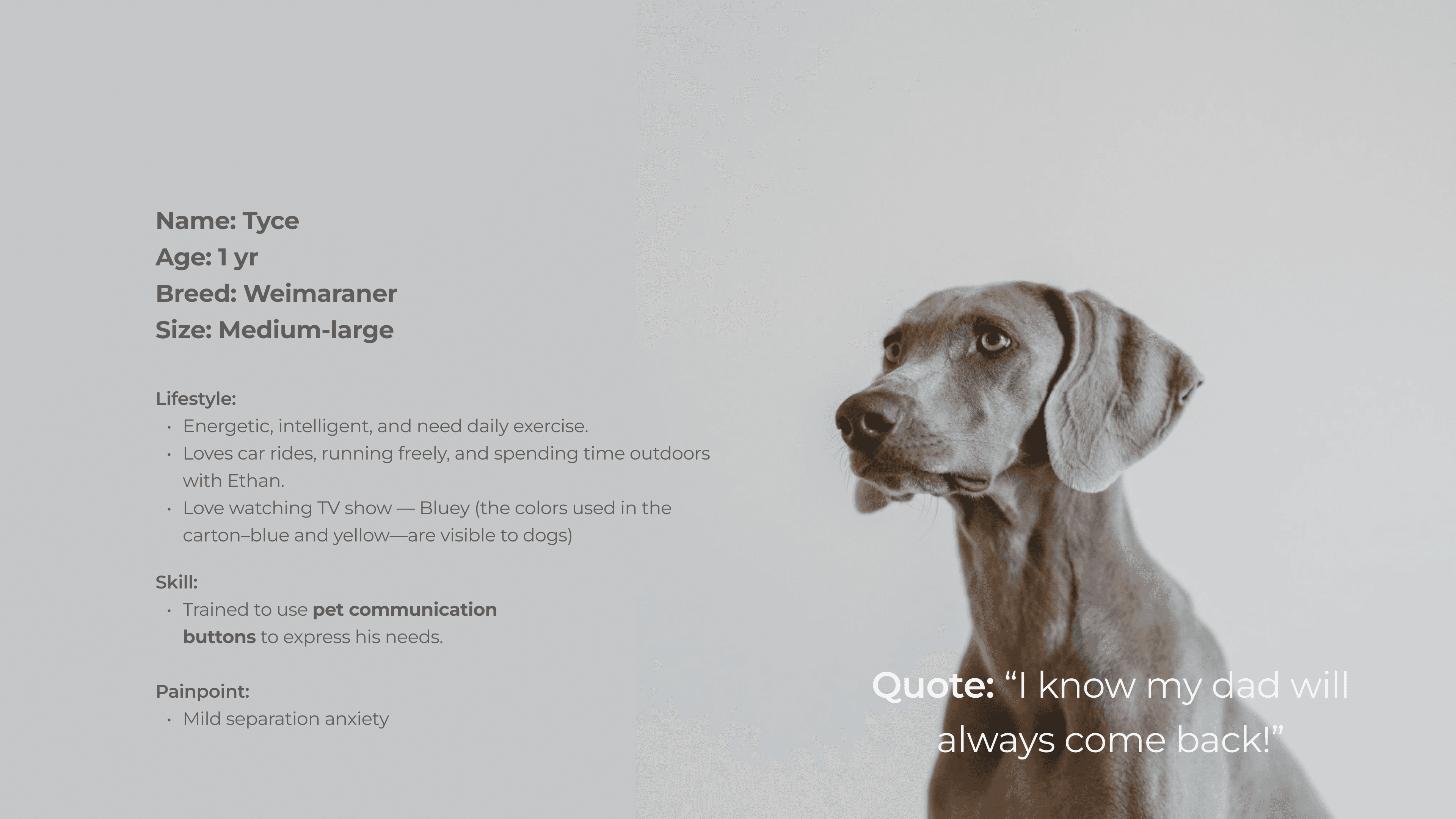
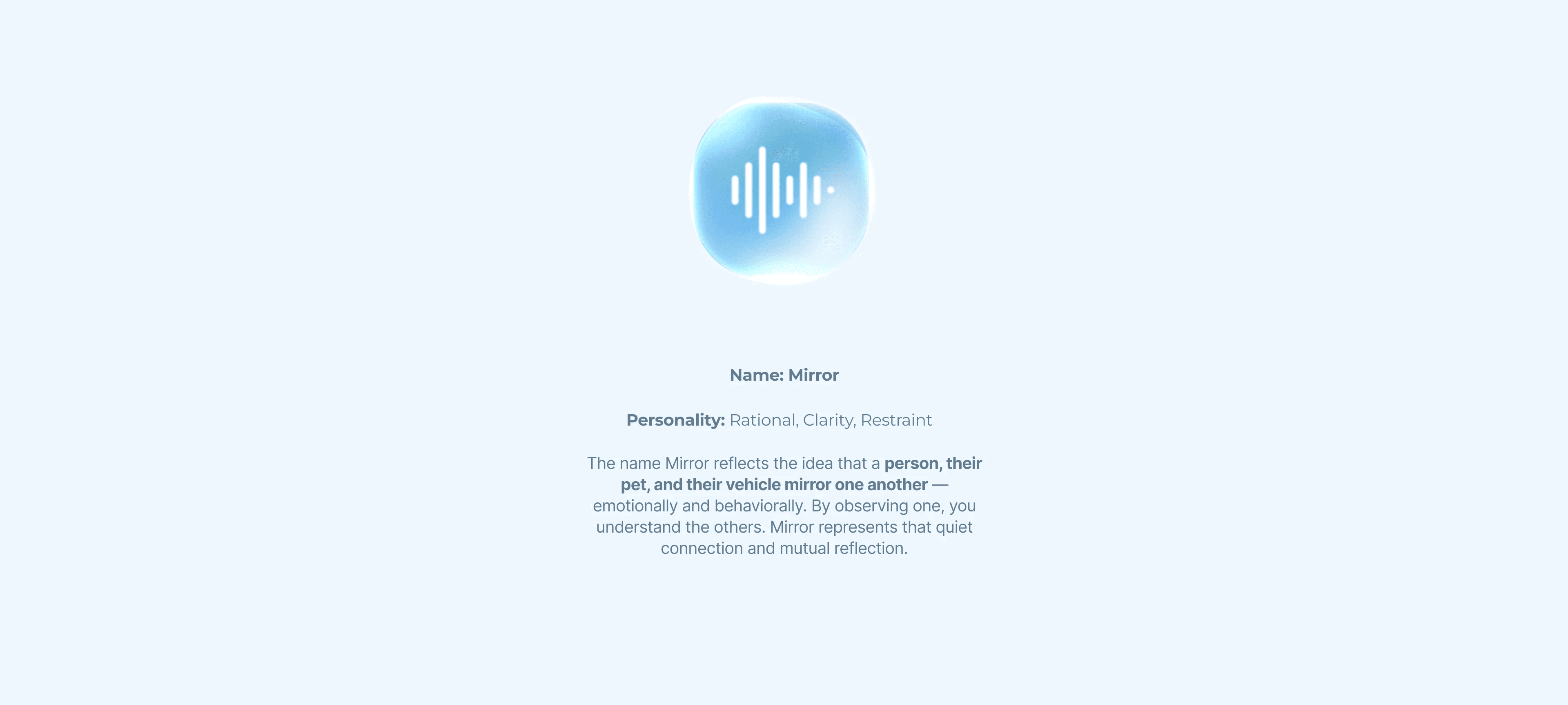
Persona
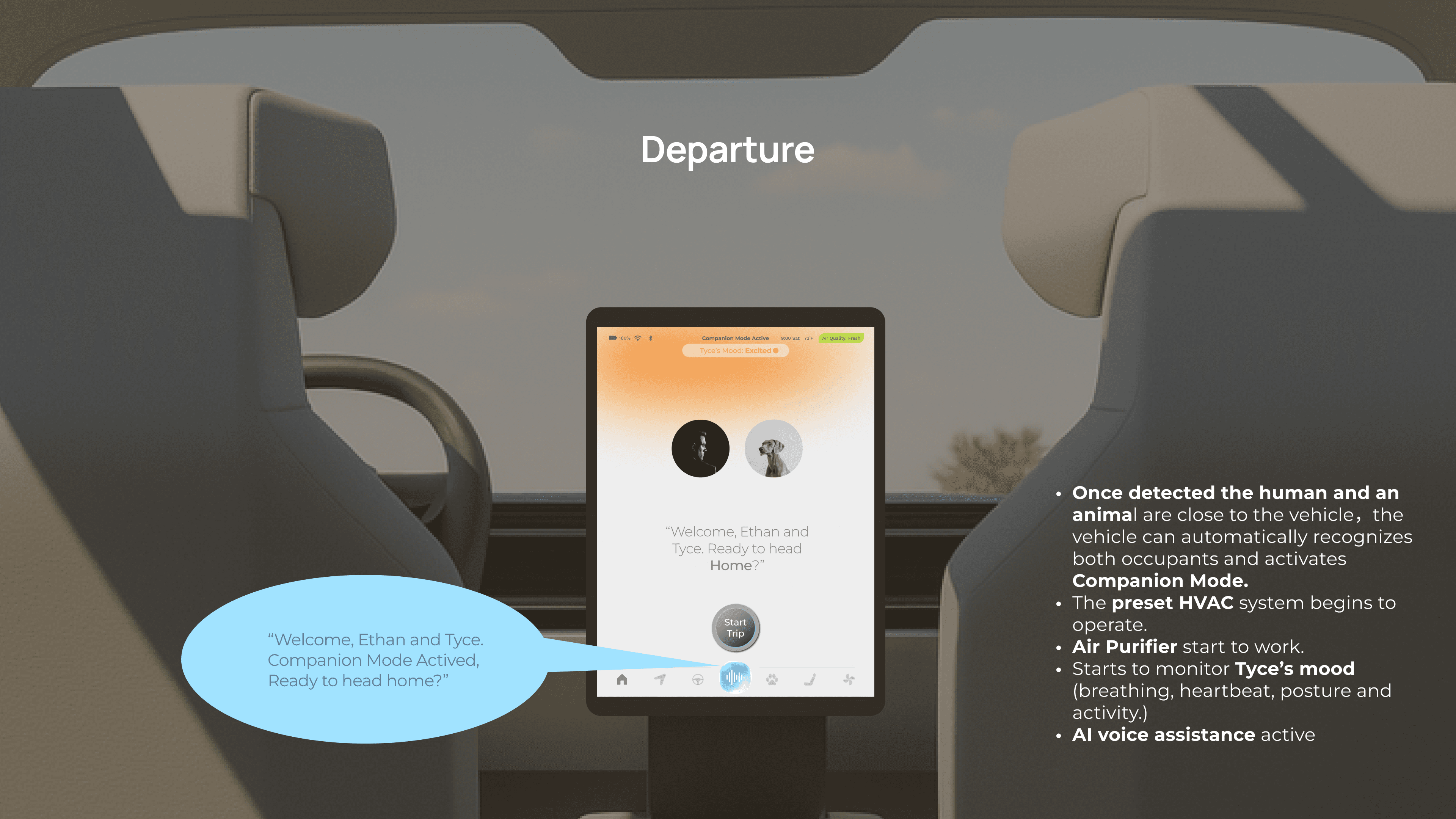
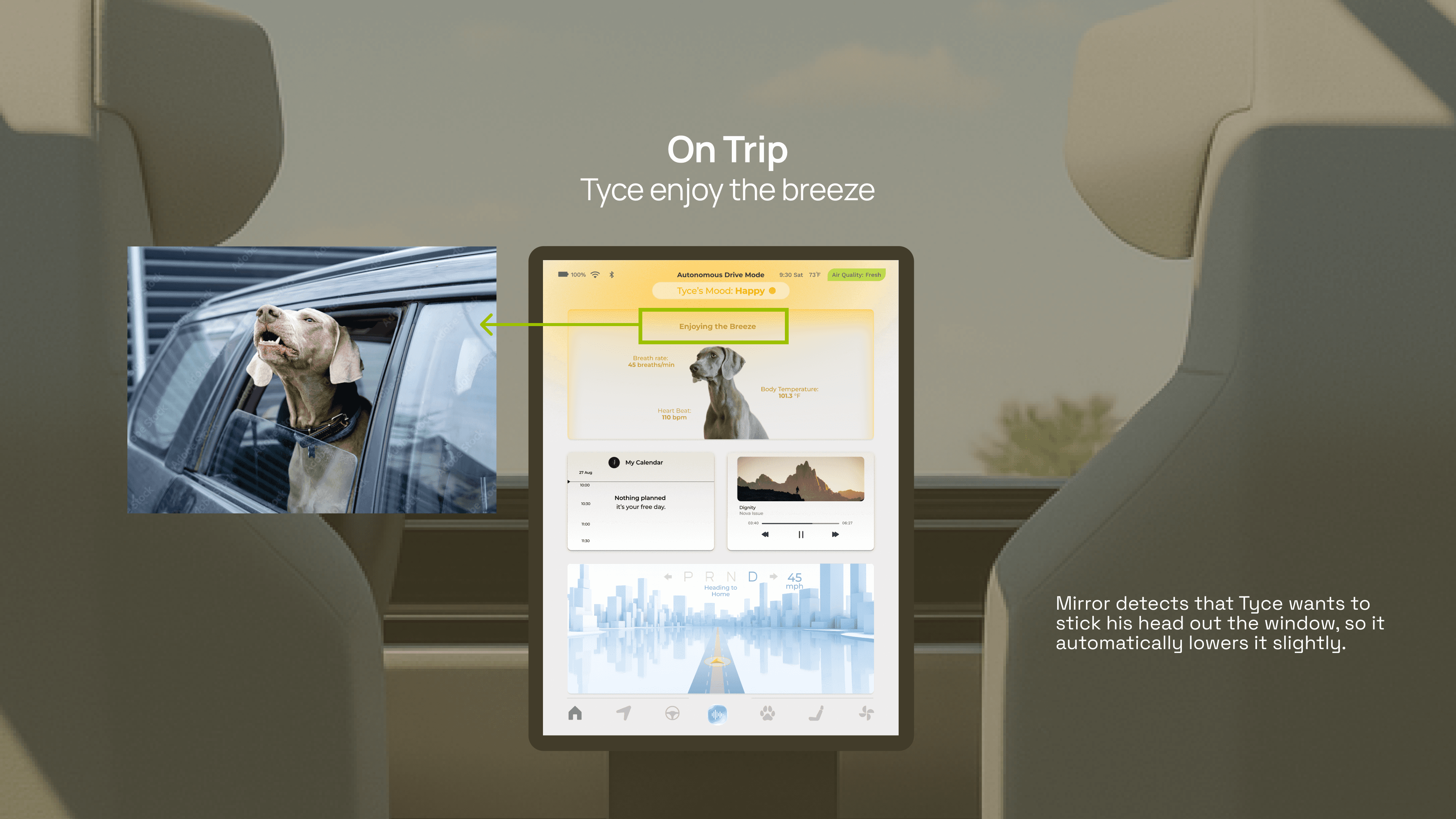
UI Design & System Thinking
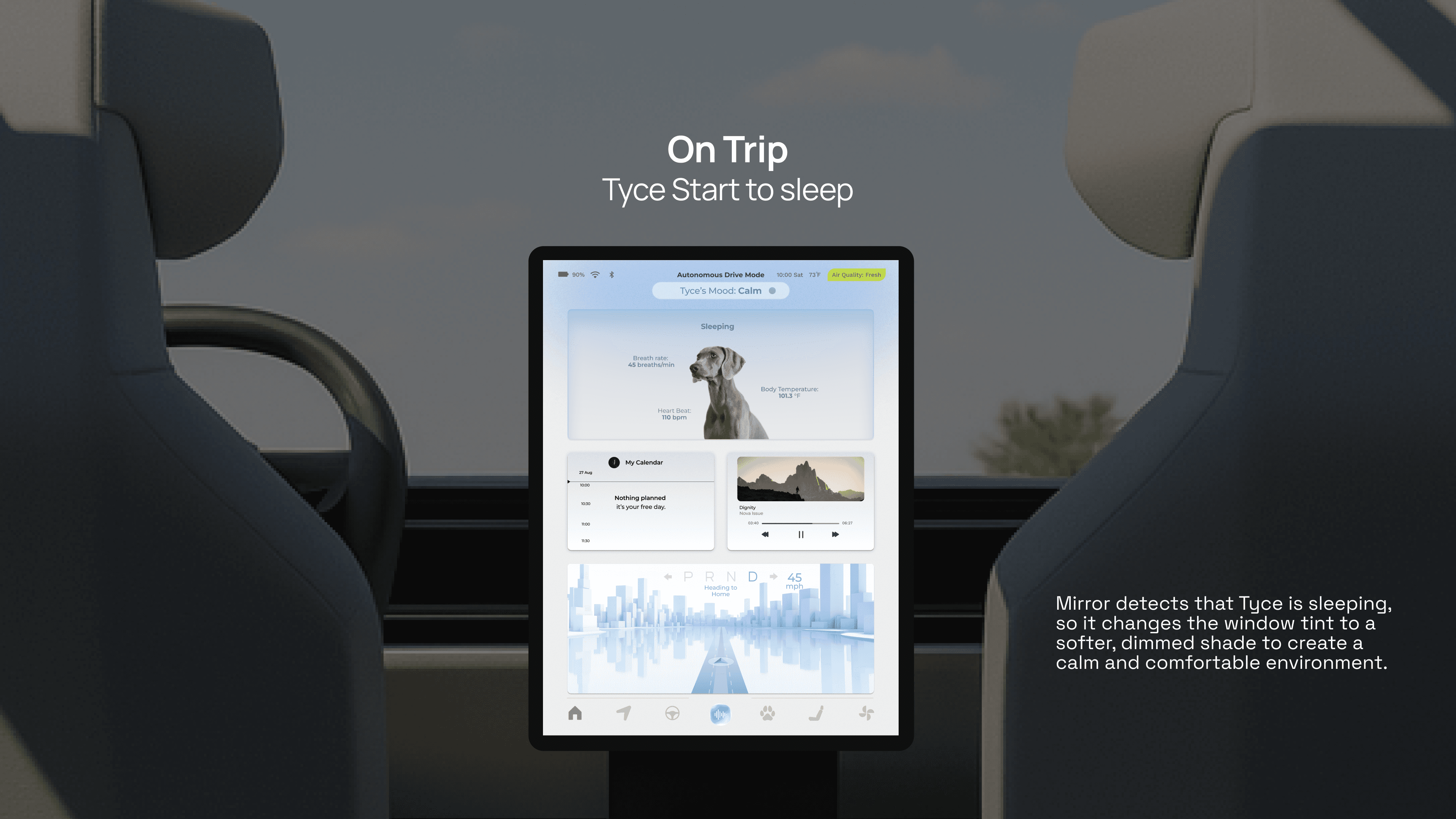
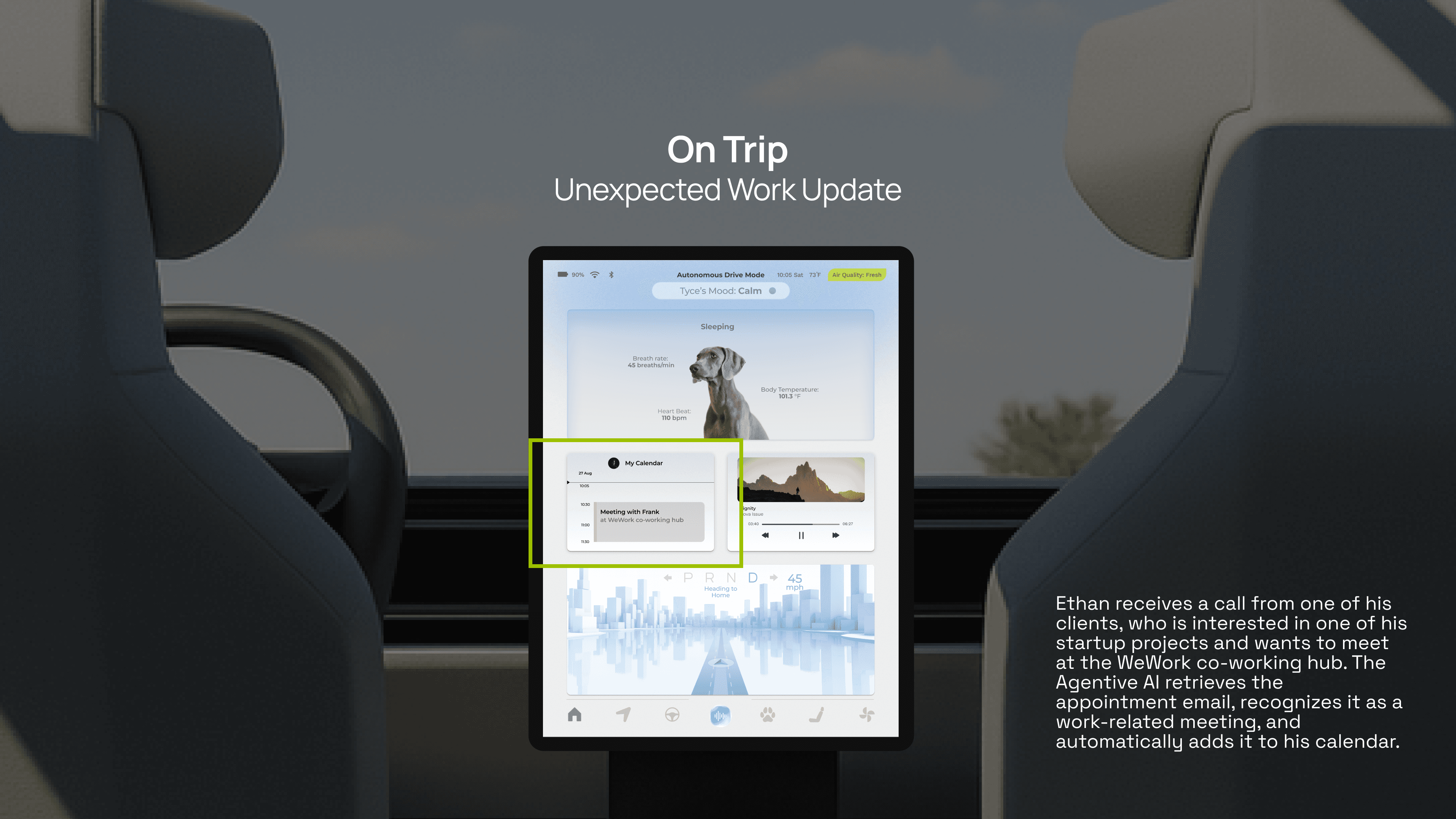
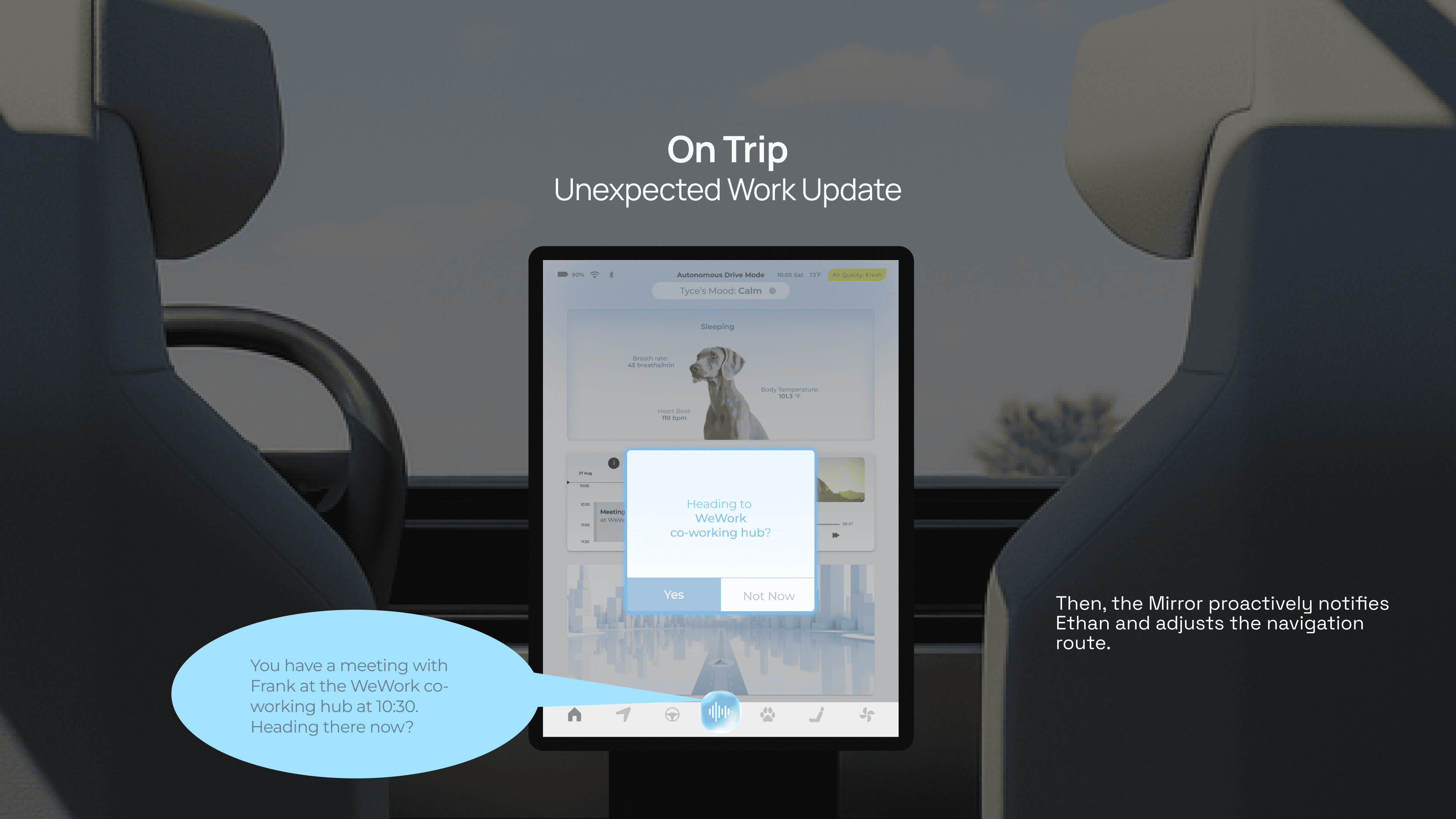
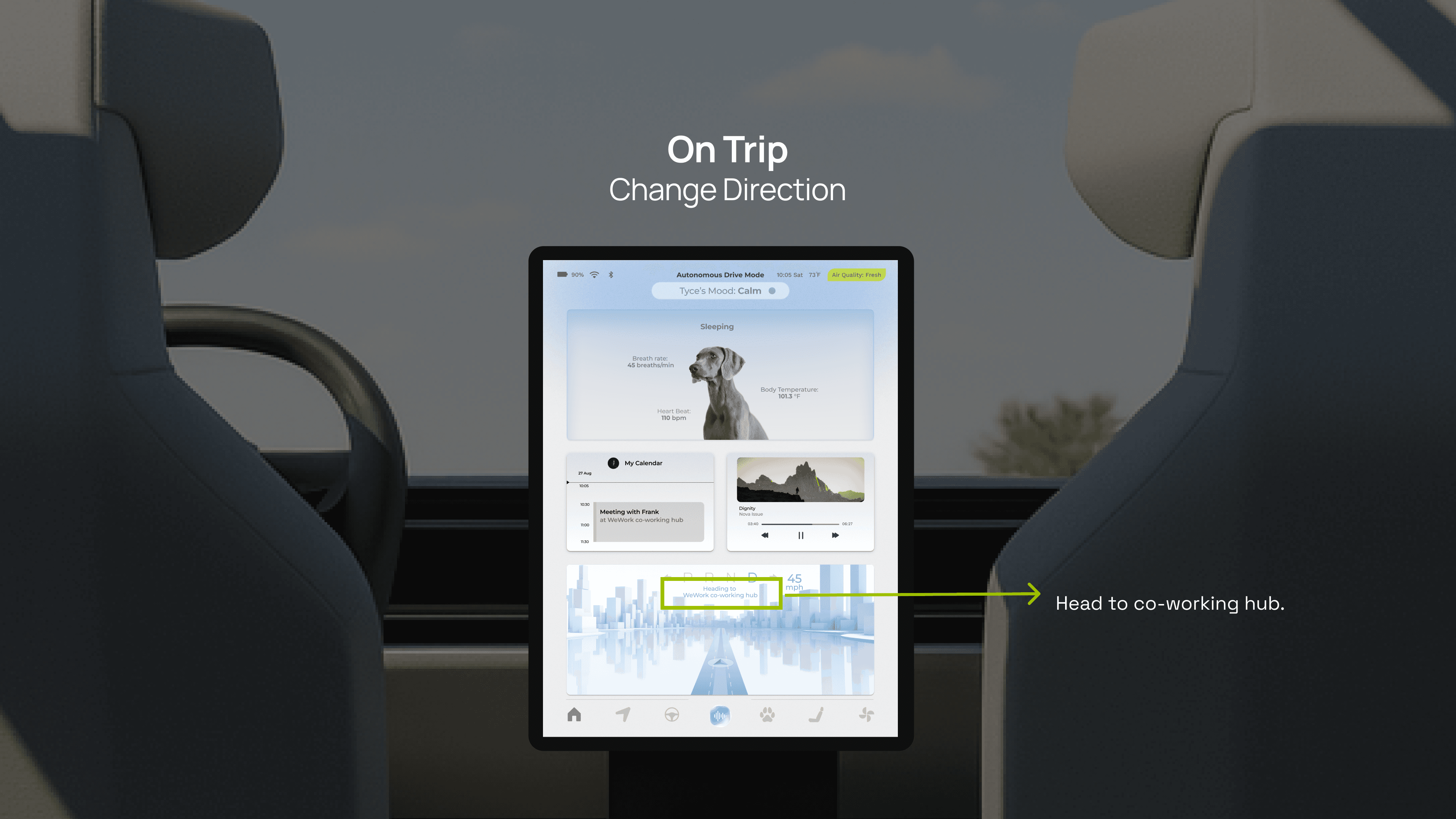
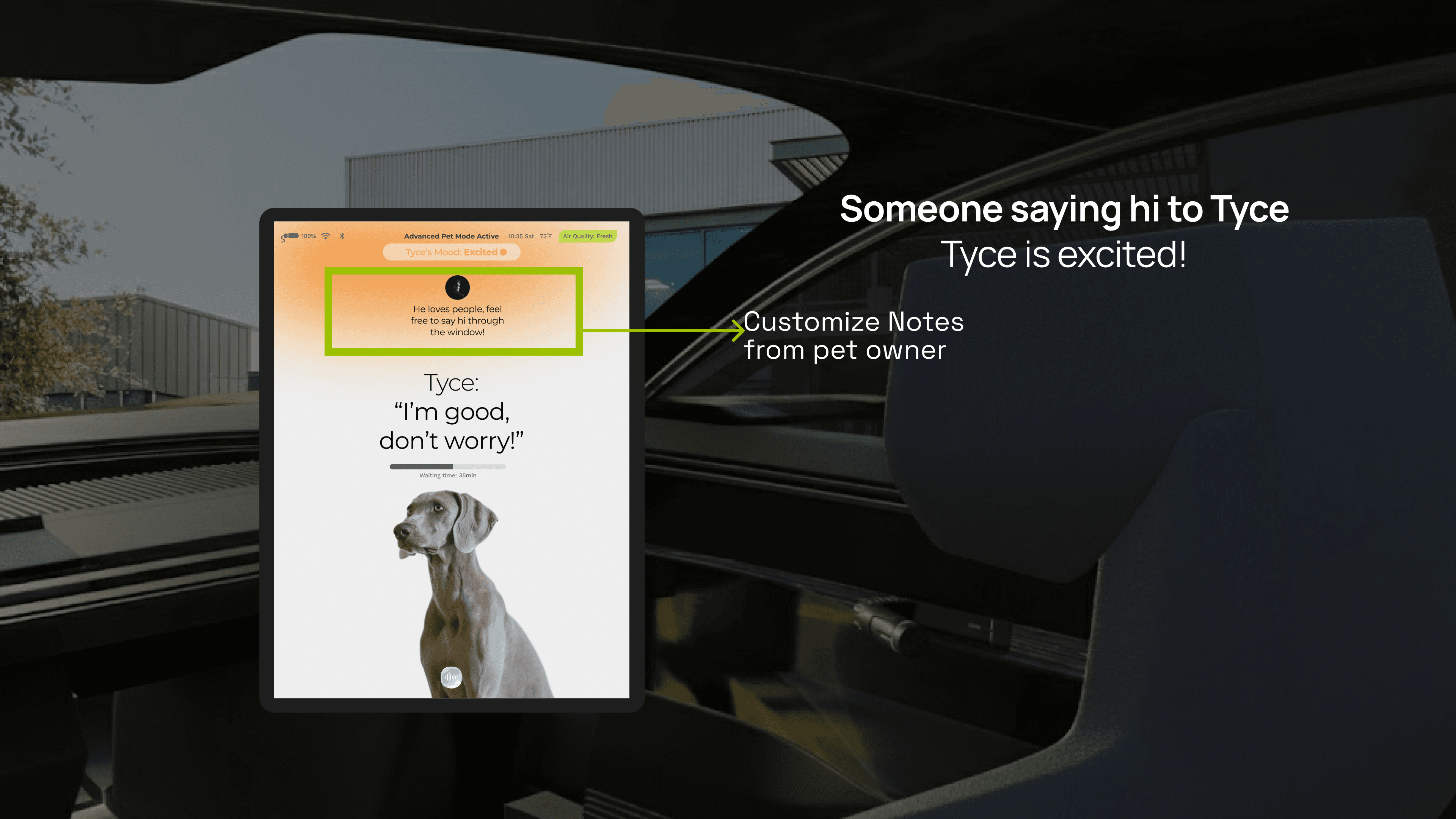
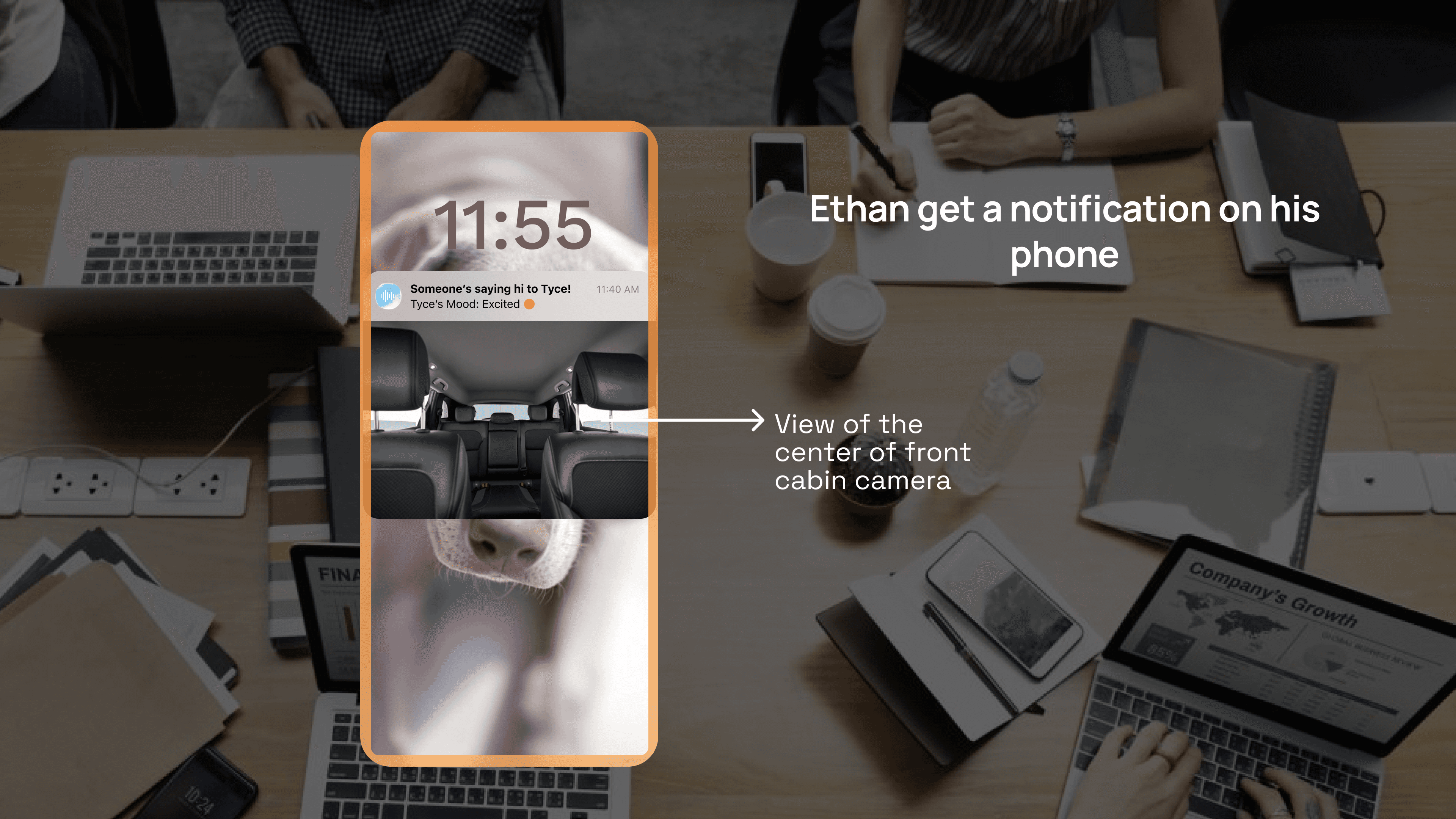
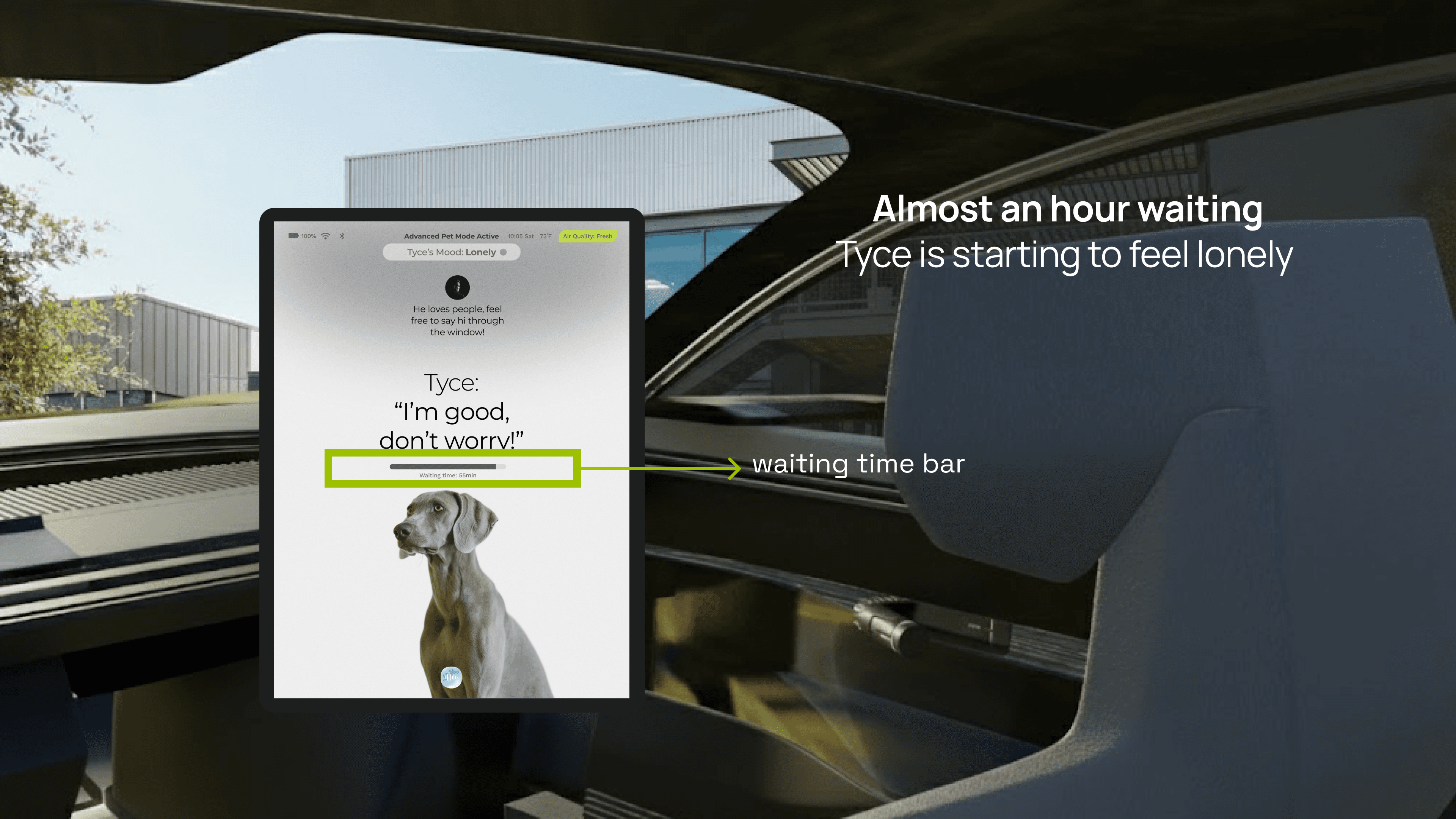
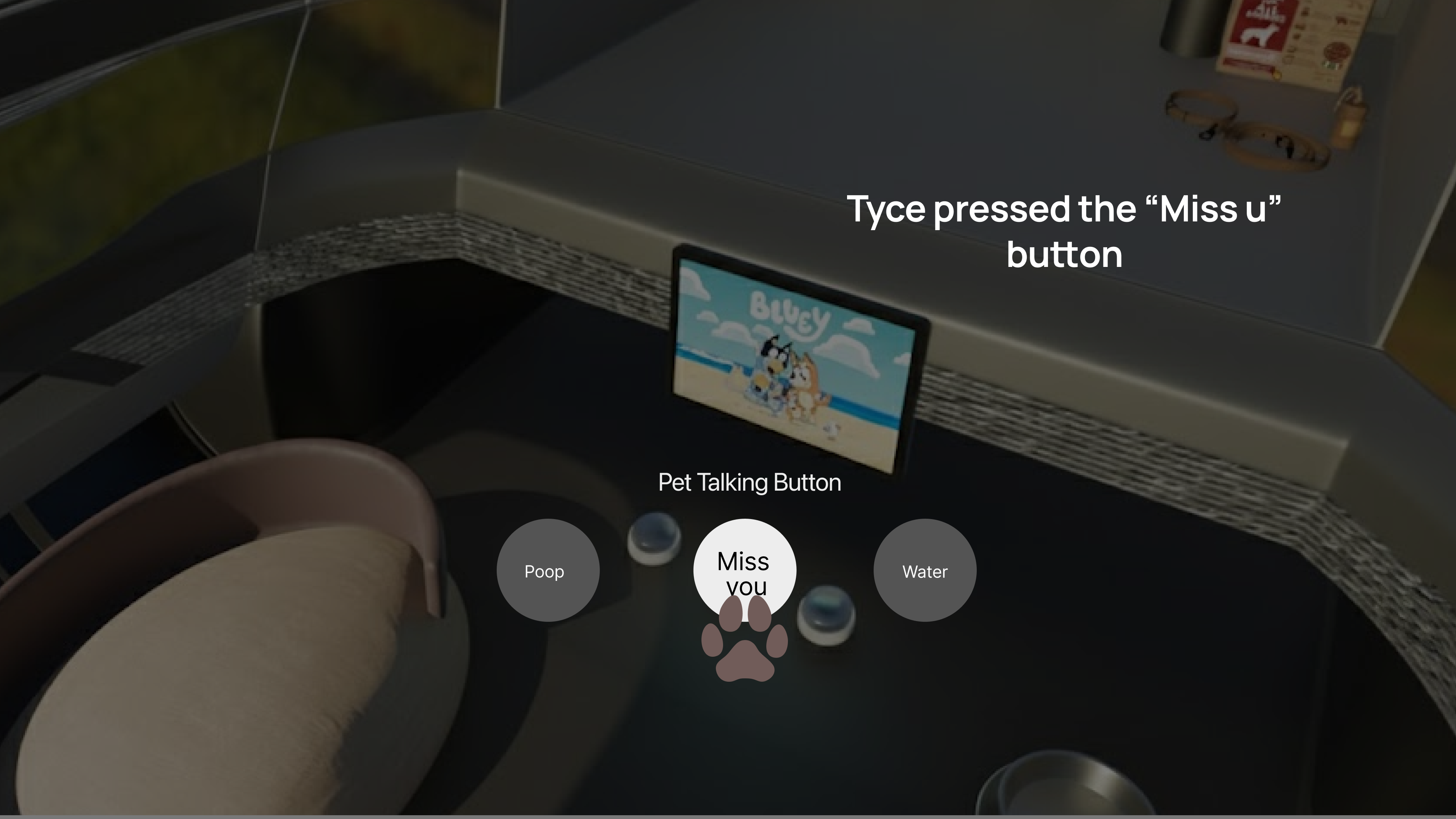
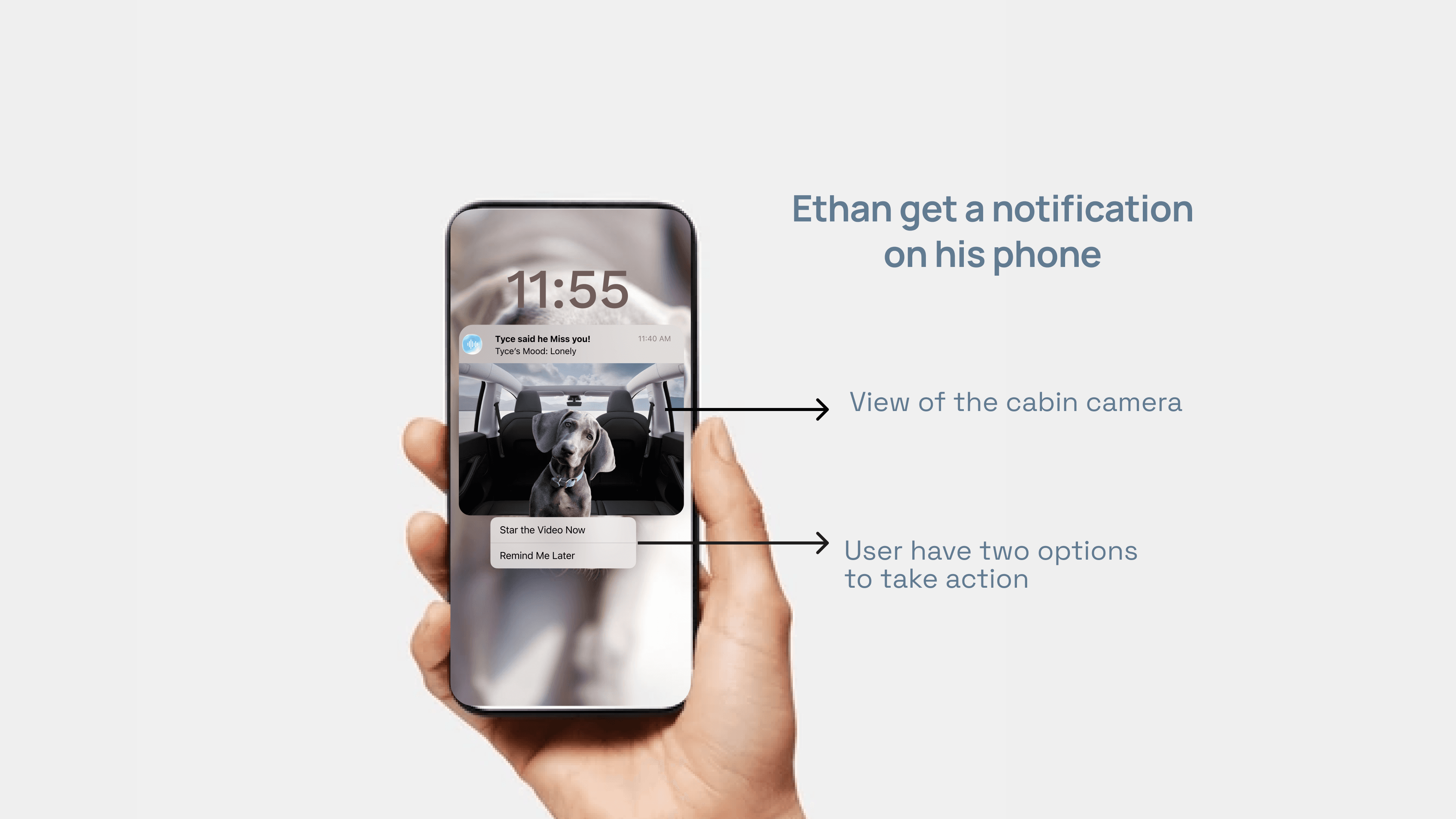
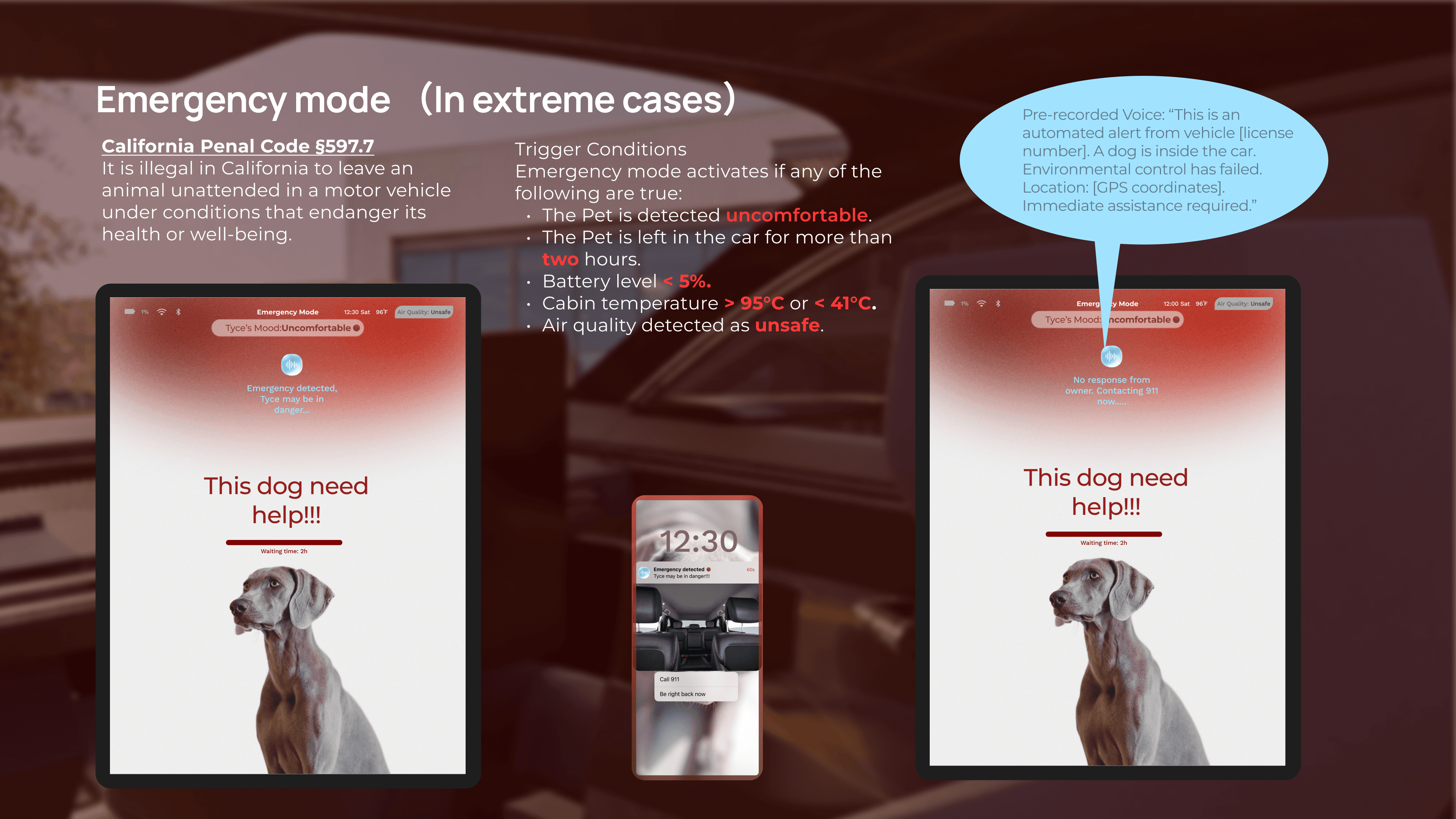
Emergency Mode
Even though this situation is rare—and ideally should never happen—I pushed myself to design for the worst-case scenario: a pet is left inside the vehicle and their wellbeing becomes at risk. This feature is designed to reduce harm when the owner is unavailable or the vehicle’s comfort system fails.
Story behind this project
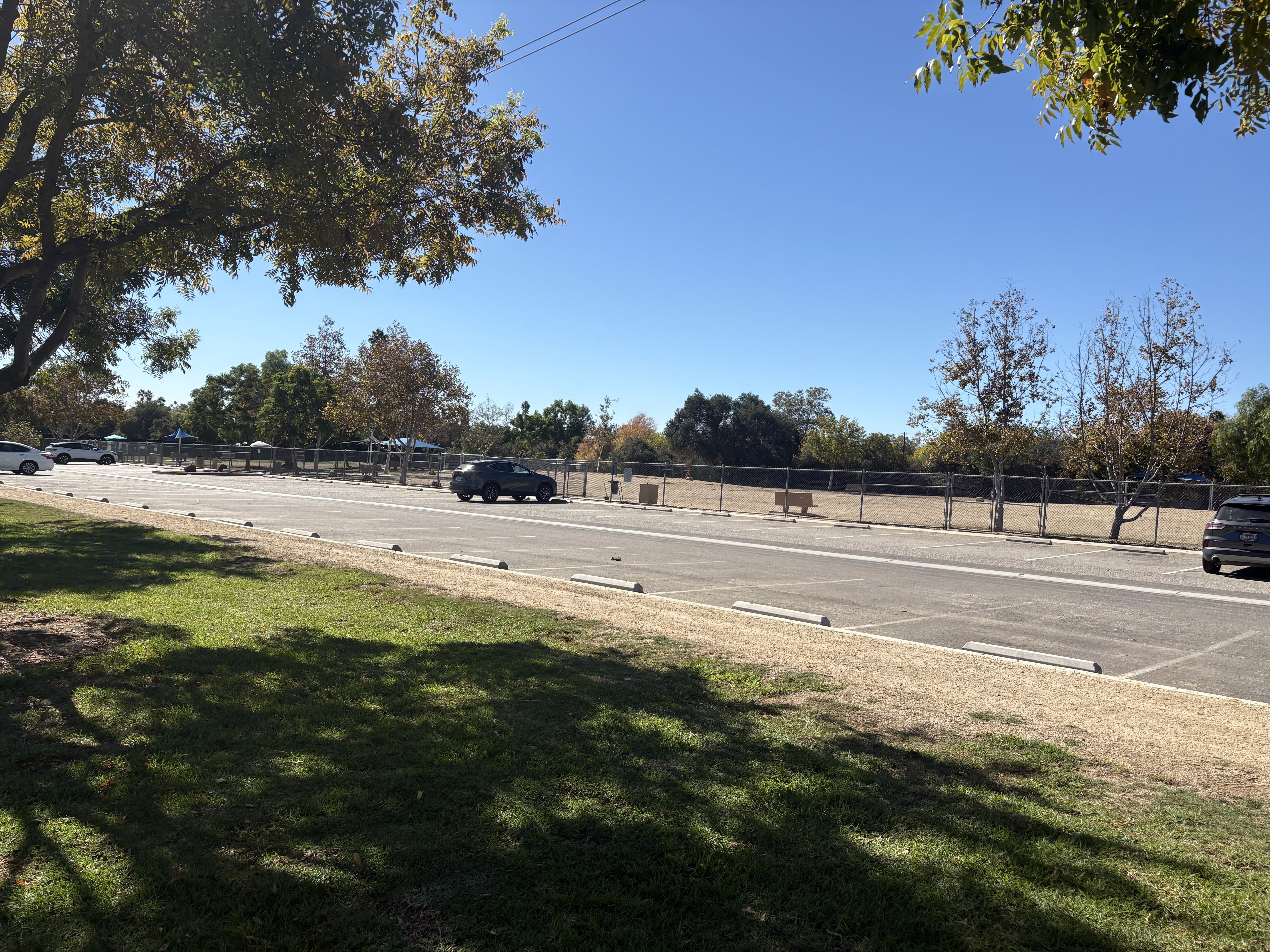
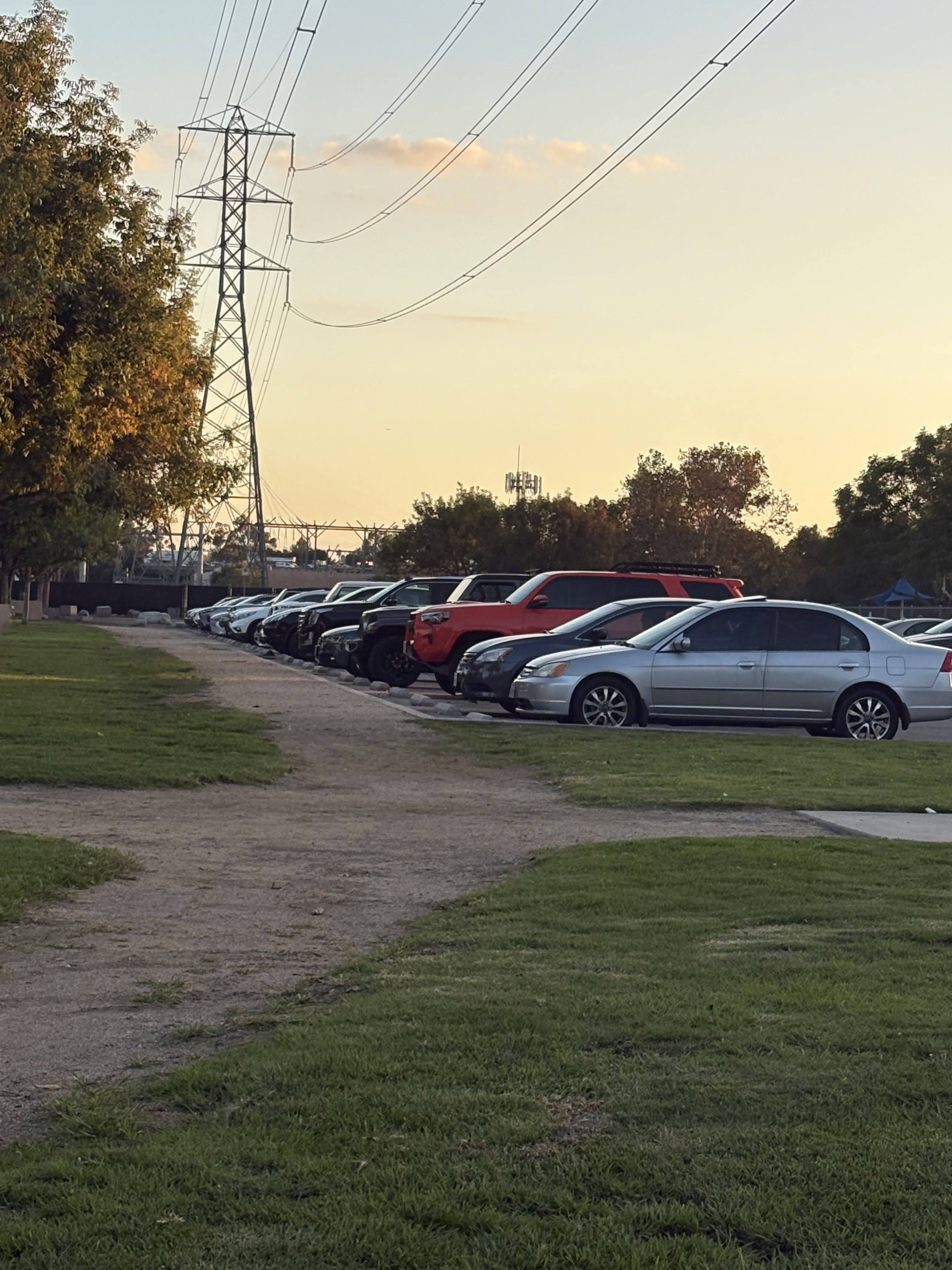
My observation in the dog park
With my daily drives to the dog park(Alice Dog Park in Pasadena), I repeatedly saw both dogs and owners struggling to fit into vehicle behaviors.
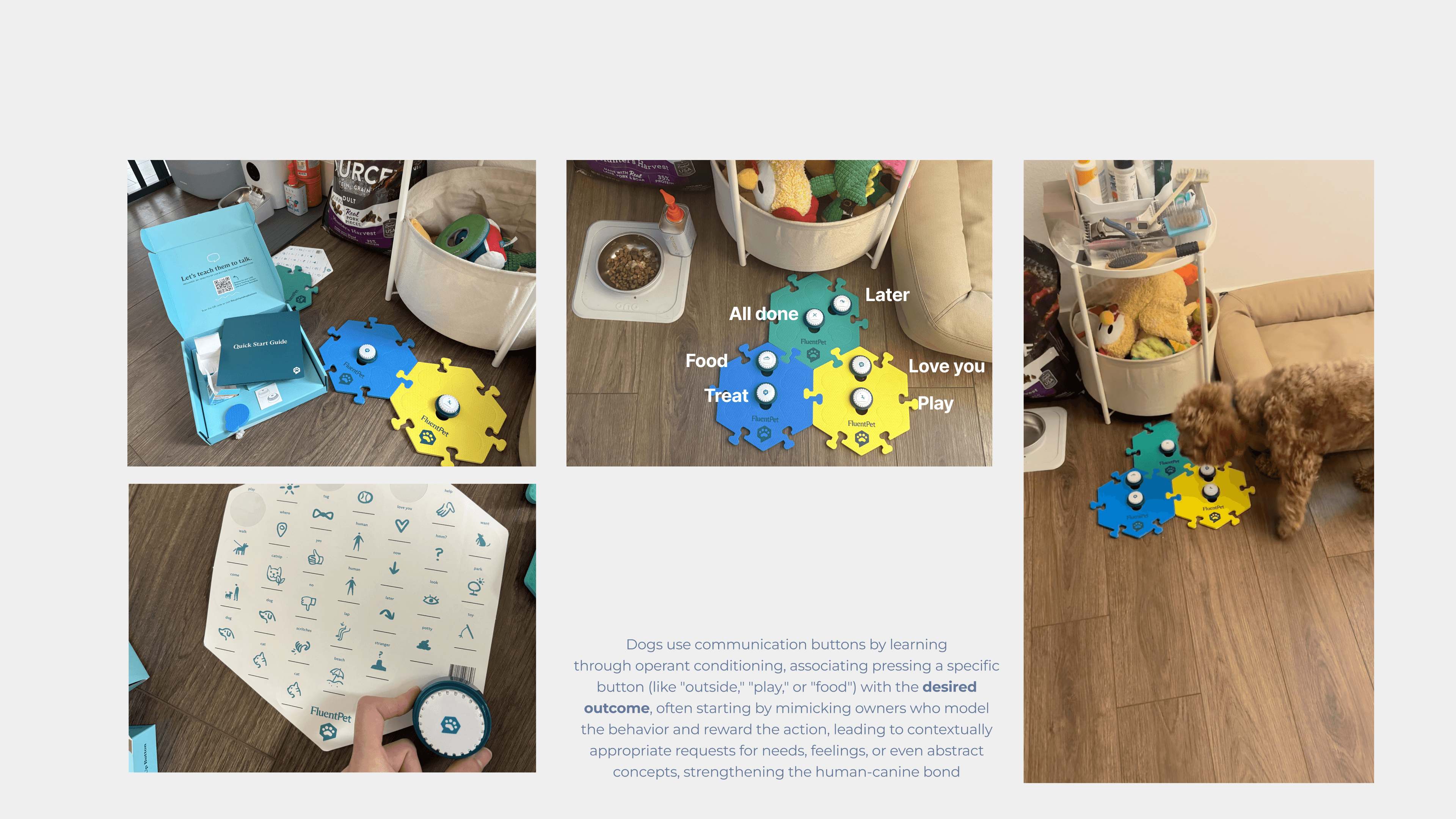
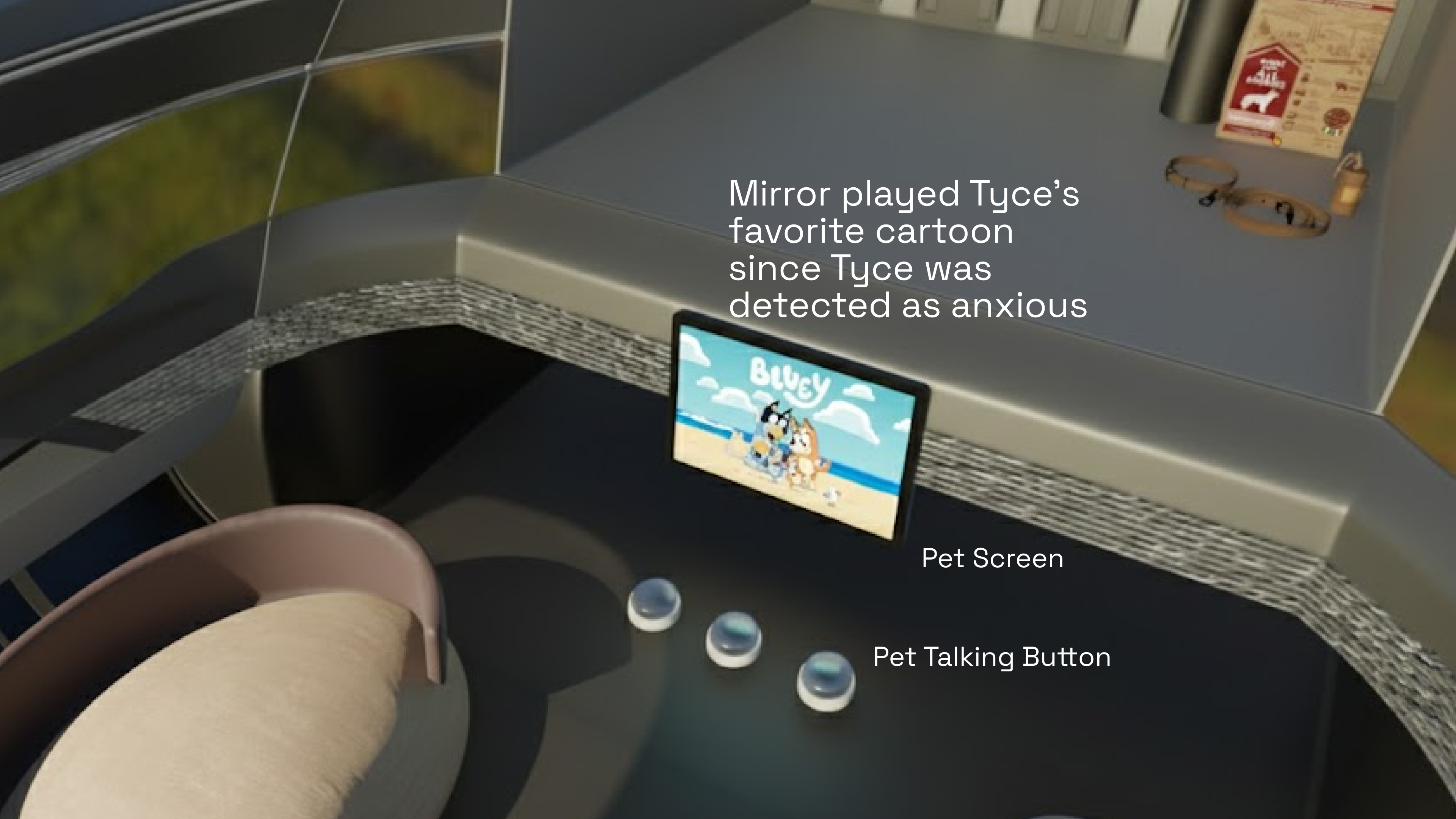
How does the pet communication button work?
Here's how I train my dog to use pet communication button to express his own needs