Project Overview
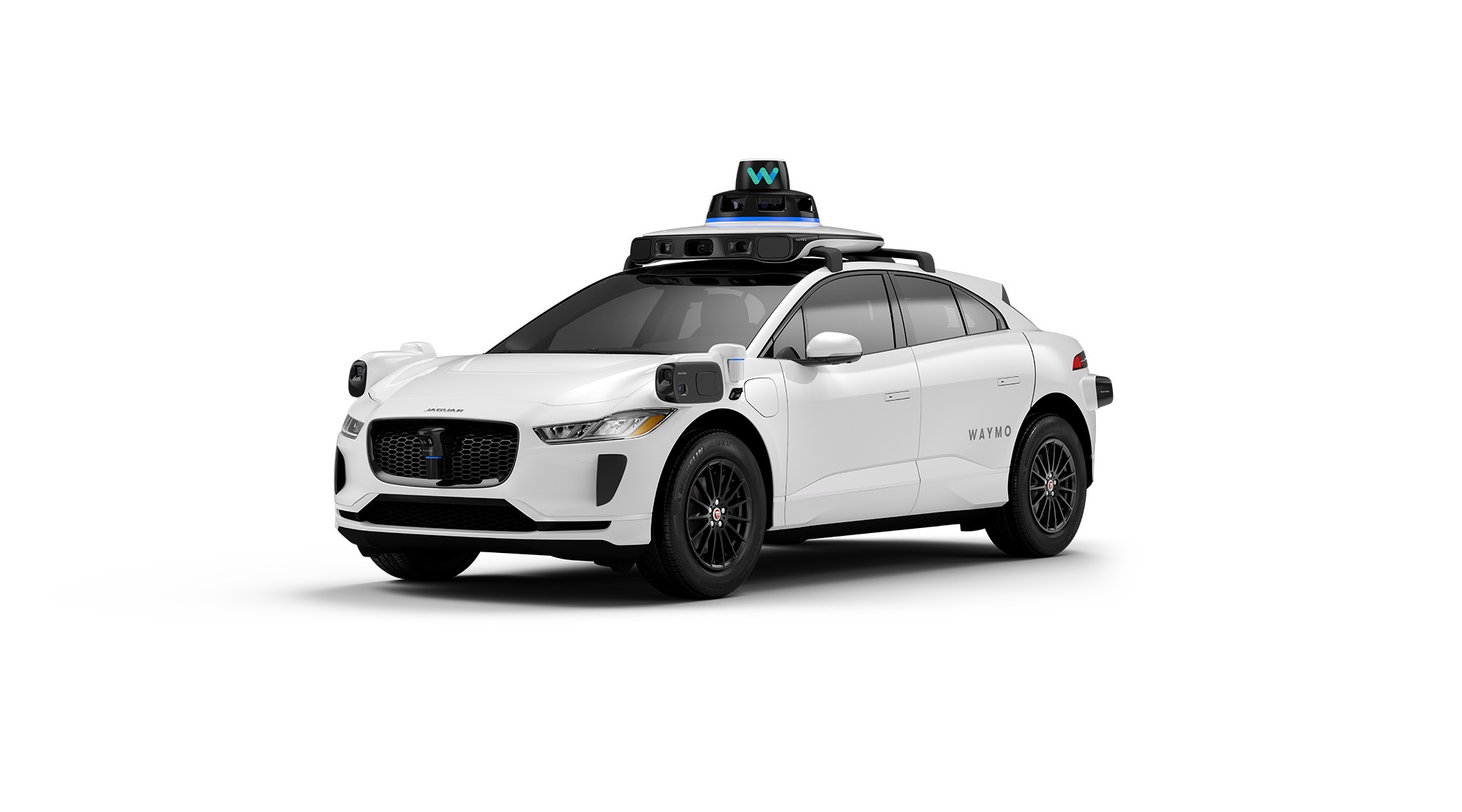
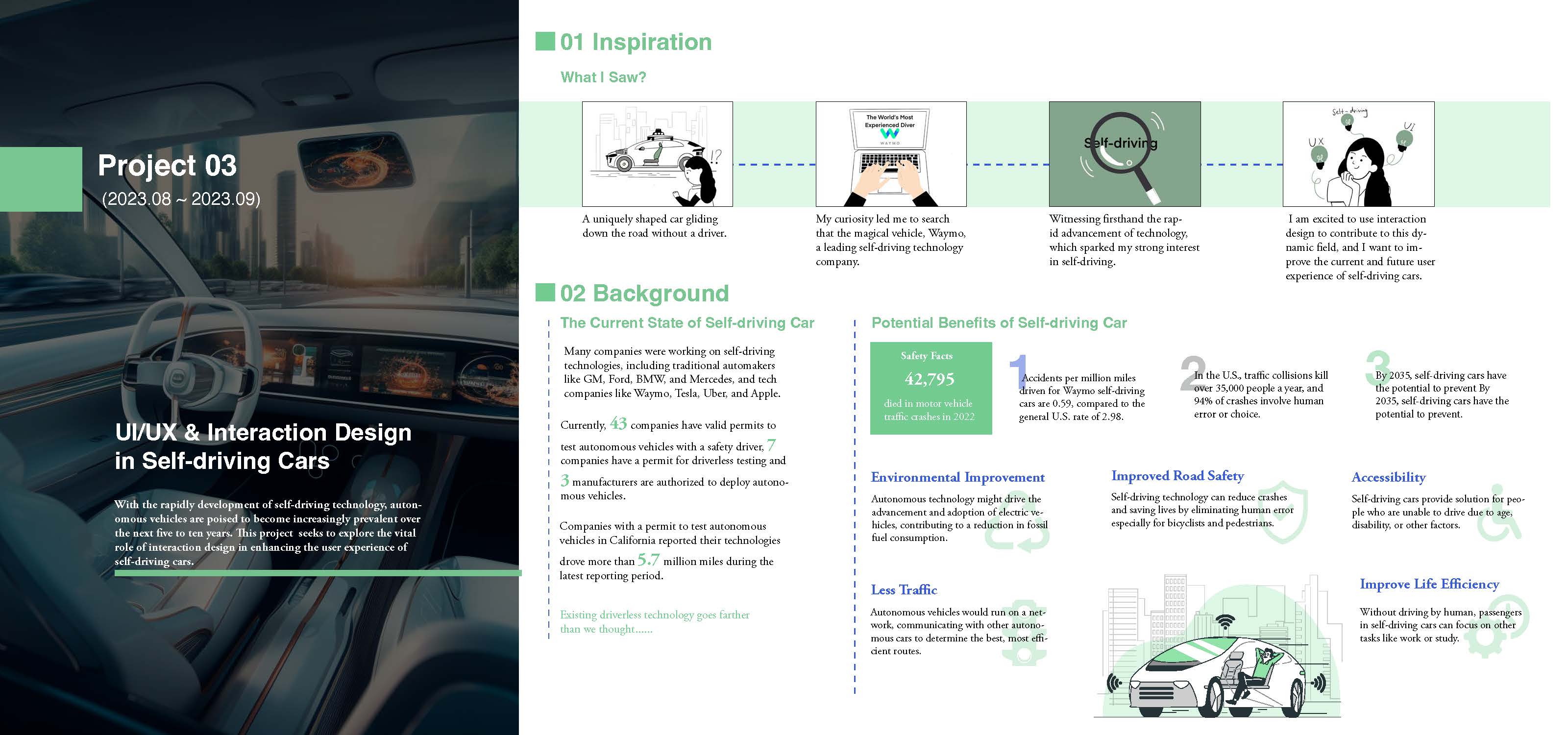
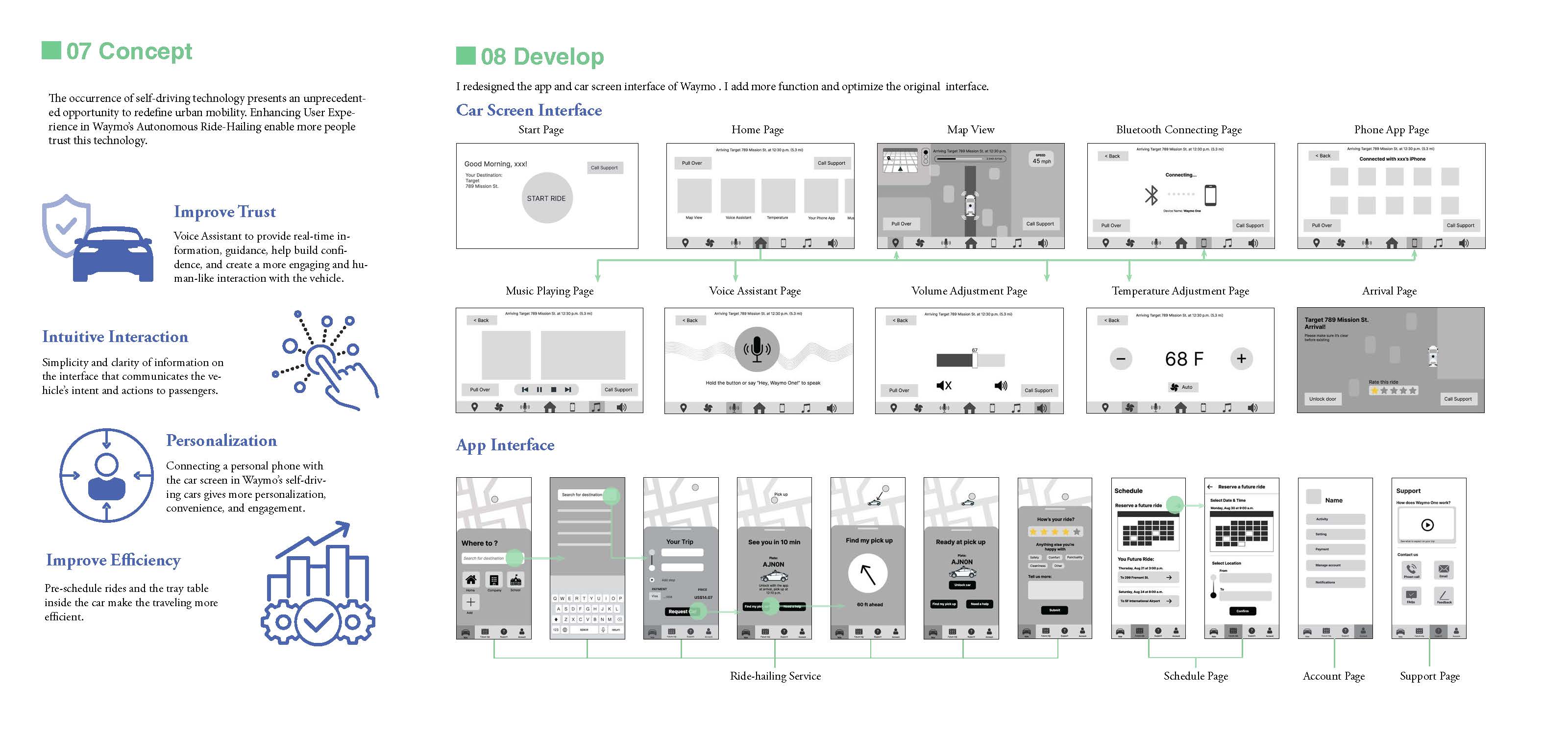
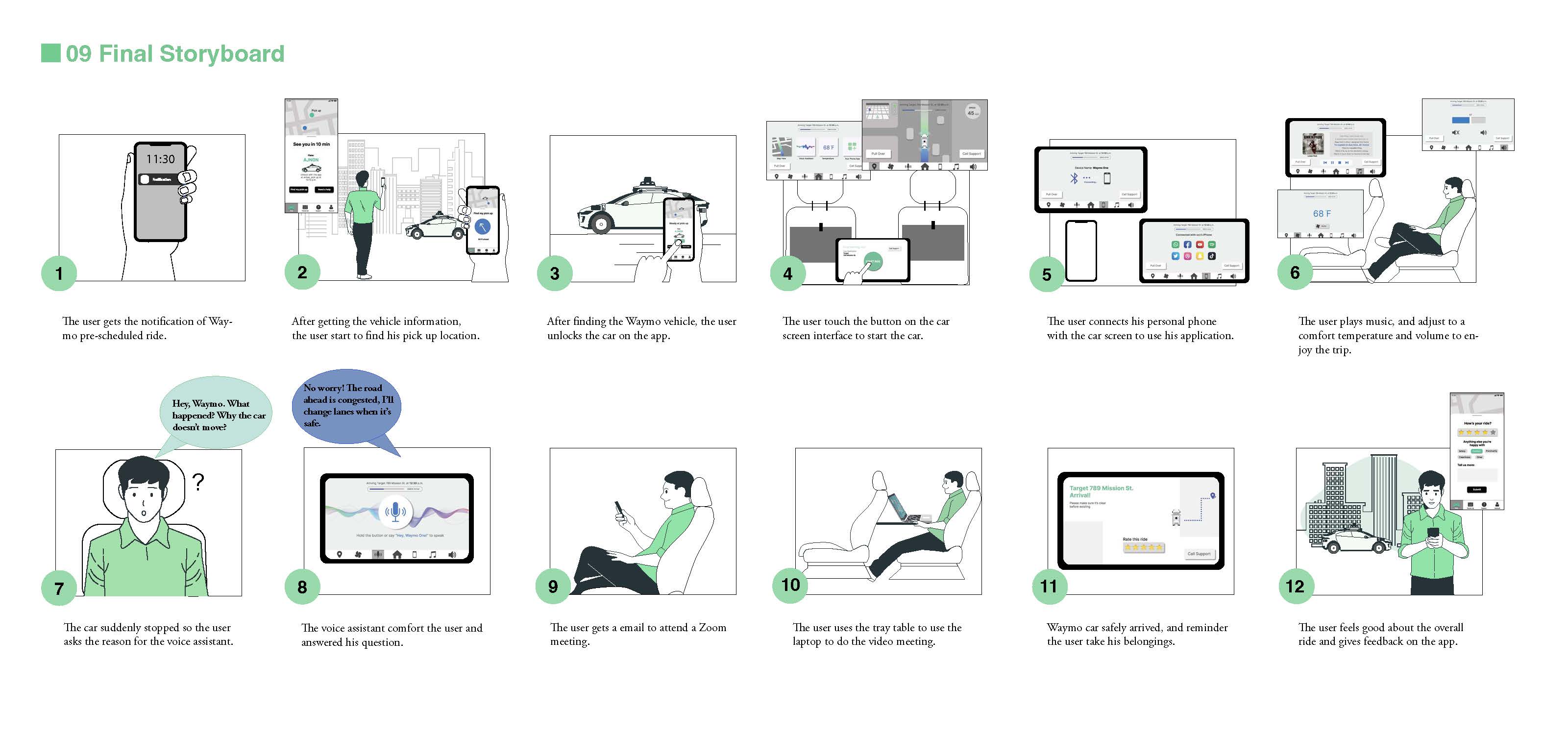
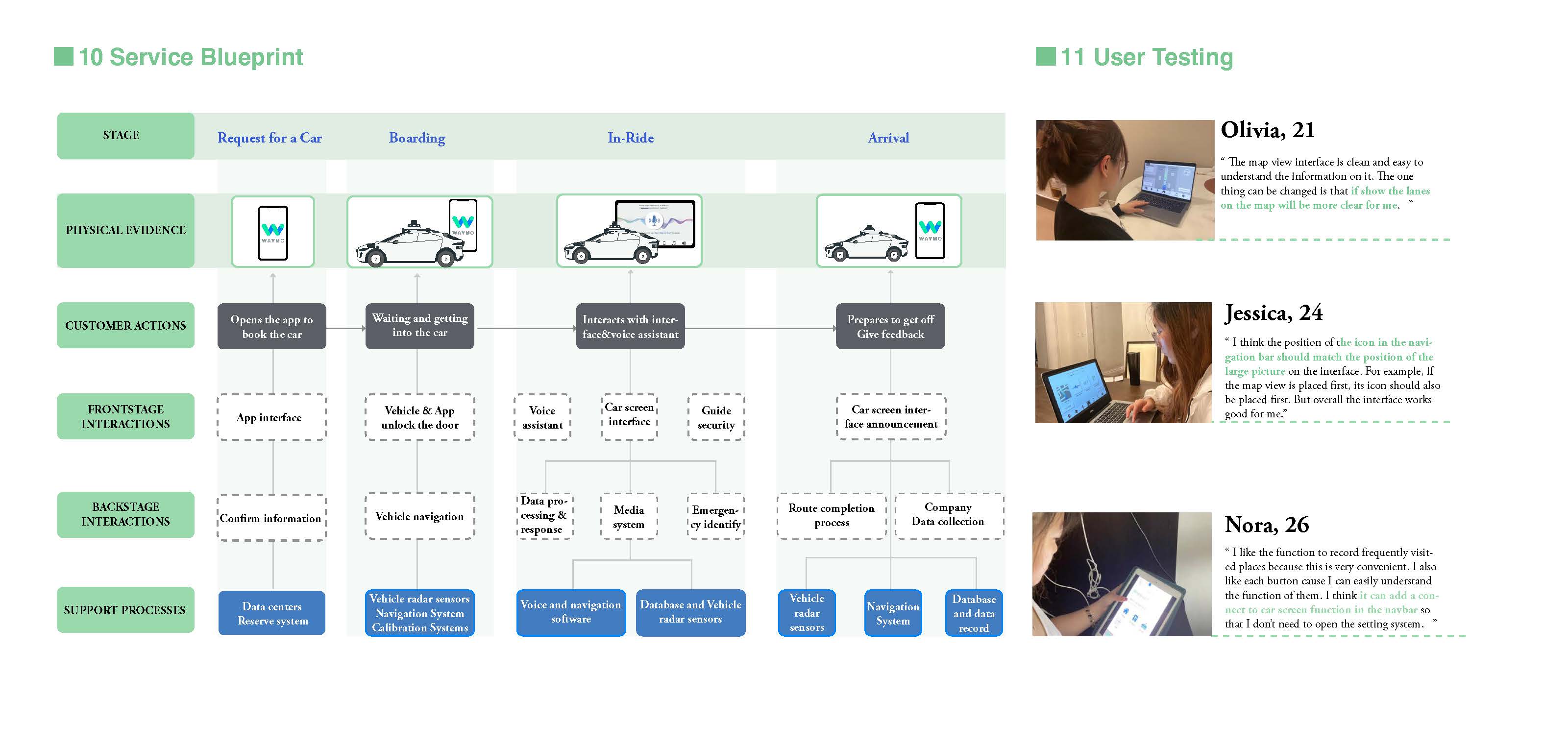
This project explores how interaction design can improve trust and user experience in autonomous ride-hailing services. Using Waymo as a case study, I redesigned the mobile app and in-car interface to make self-driving vehicles feel more transparent, comfortable, and human-centered—especially for first-time riders.
Problem
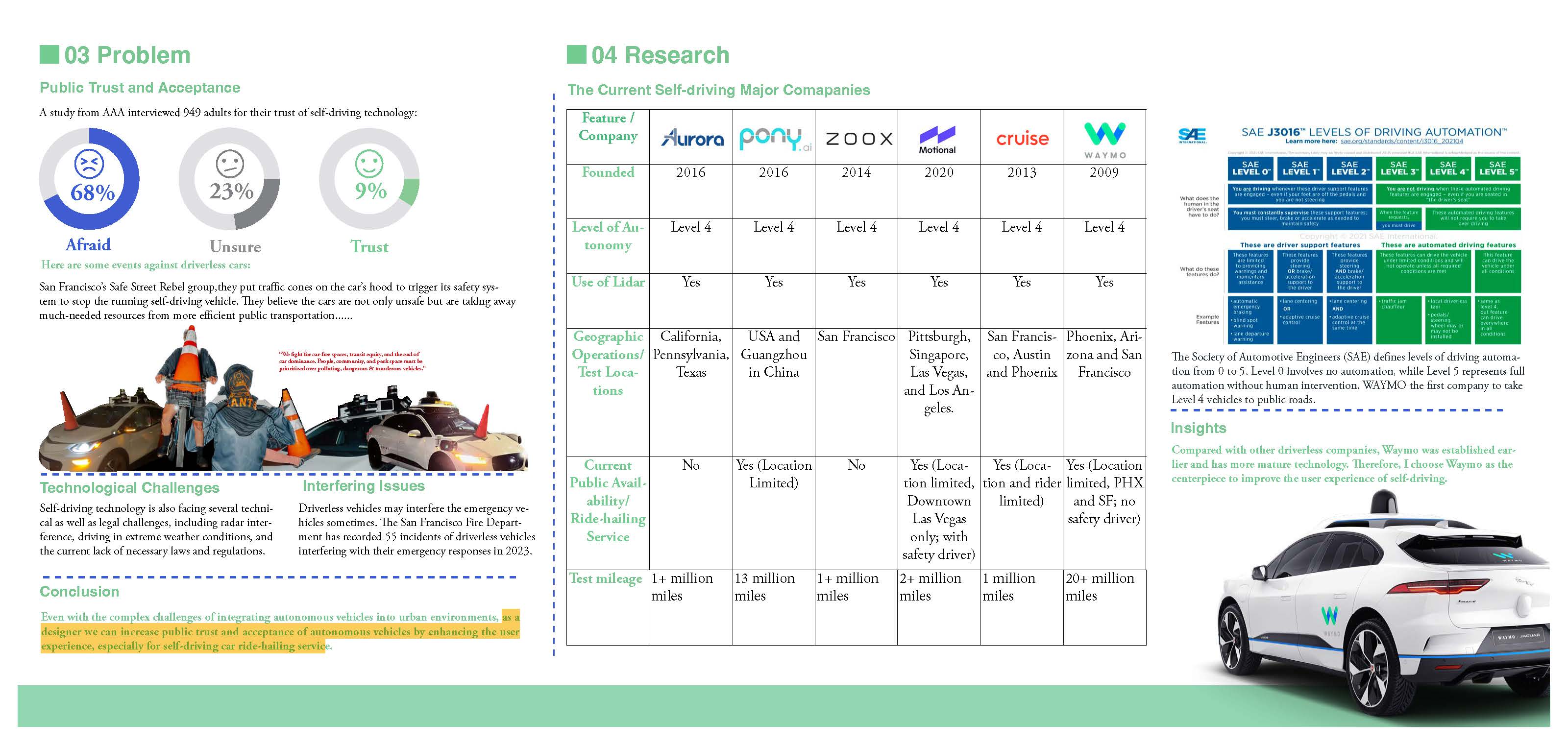
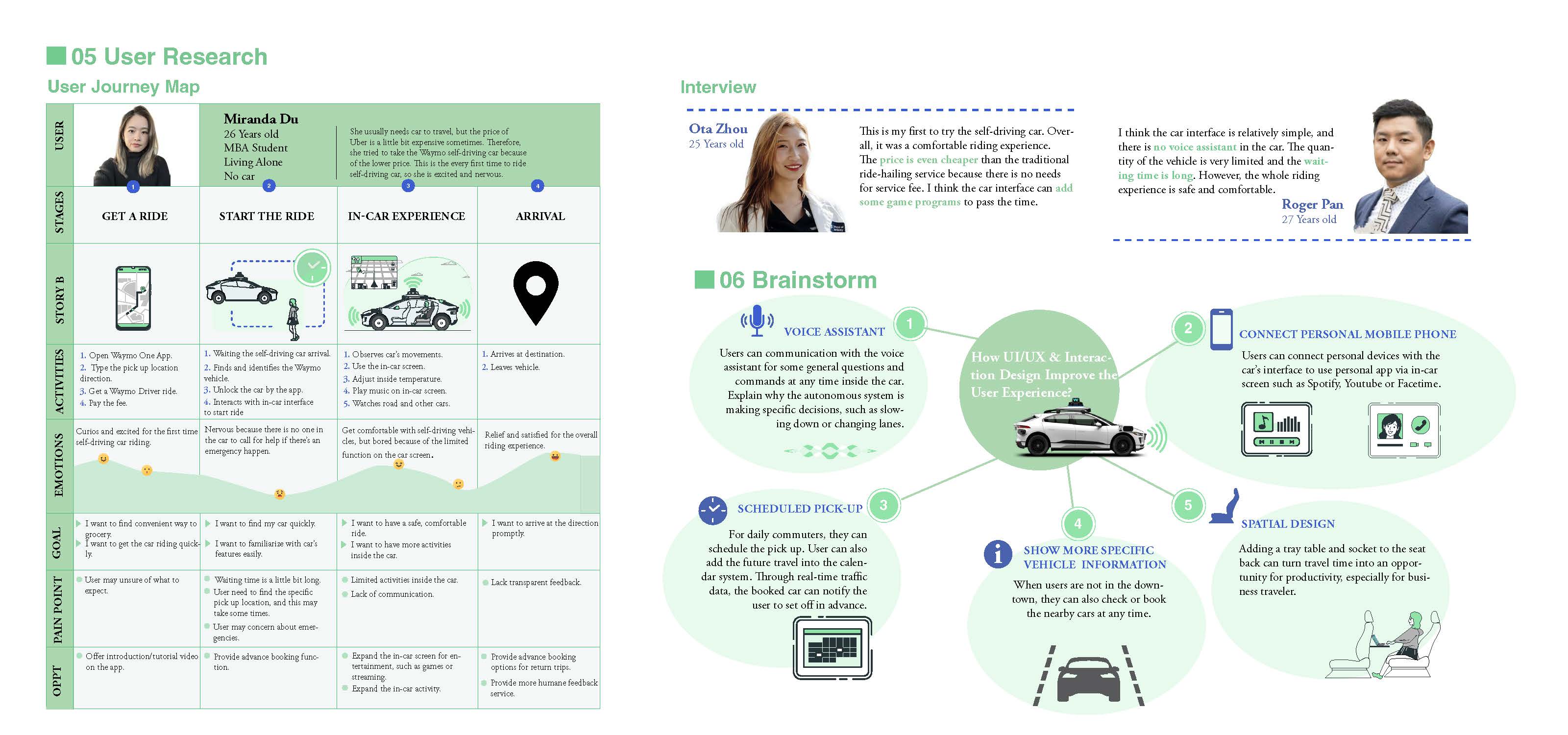
Despite advanced autonomous technology, many users feel nervous, uncertain, or disconnected during self-driving rides. Key issues include limited communication about the car’s decisions, lack of in-car engagement, and low transparency during unexpected situations—leading to reduced trust and acceptance.
Solution
I proposed a trust-driven UX system combining:
A voice assistant that explains vehicle actions in real time
Clear, intuitive in-car interfaces that communicate intent and status
Pre-scheduled rides and personalization to reduce friction and anxiety
Expanded in-car activities (device connection, productivity features) to improve comfort and engagement
Together, these design interventions aim to humanize autonomous vehicles, increase confidence, and support a smoother, more reassuring ride experience.
Context & Reflection
This project was completed while I was living in San Francisco, where autonomous vehicles are part of everyday urban life. Seeing self-driving cars operate in real streets—interacting with pedestrians, cyclists, and dense city traffic—deeply shaped how I think about trust, safety, and human–machine interaction. The city’s technological environment influenced my design perspective and continues to inform how I approach mobility and interaction design today.